
Choosing 3Fr Flexible Biopsy Forceps for Ureter & Kidney: How AthenaGrasp™ Compares
This page is designed for clinical and purchasing teams comparing 3Fr flexible ureteroscopic biopsy forceps for upper‑tract work. It focuses on key buying criteria, neutral device categories, and when a single‑use 3Fr platform may make sense for your program.
Key Buying Criteria for Upper‑Tract Biopsy Forceps
- Outer diameter (OD) and channel size: 3Fr (≈1.0 mm) designs are intended to pass through standard flexible ureteroscope working channels while preserving deflection.
- Working length: Shafts in the ~115–120 cm range are typically needed to comfortably reach the renal pelvis and calyces in adult patients.
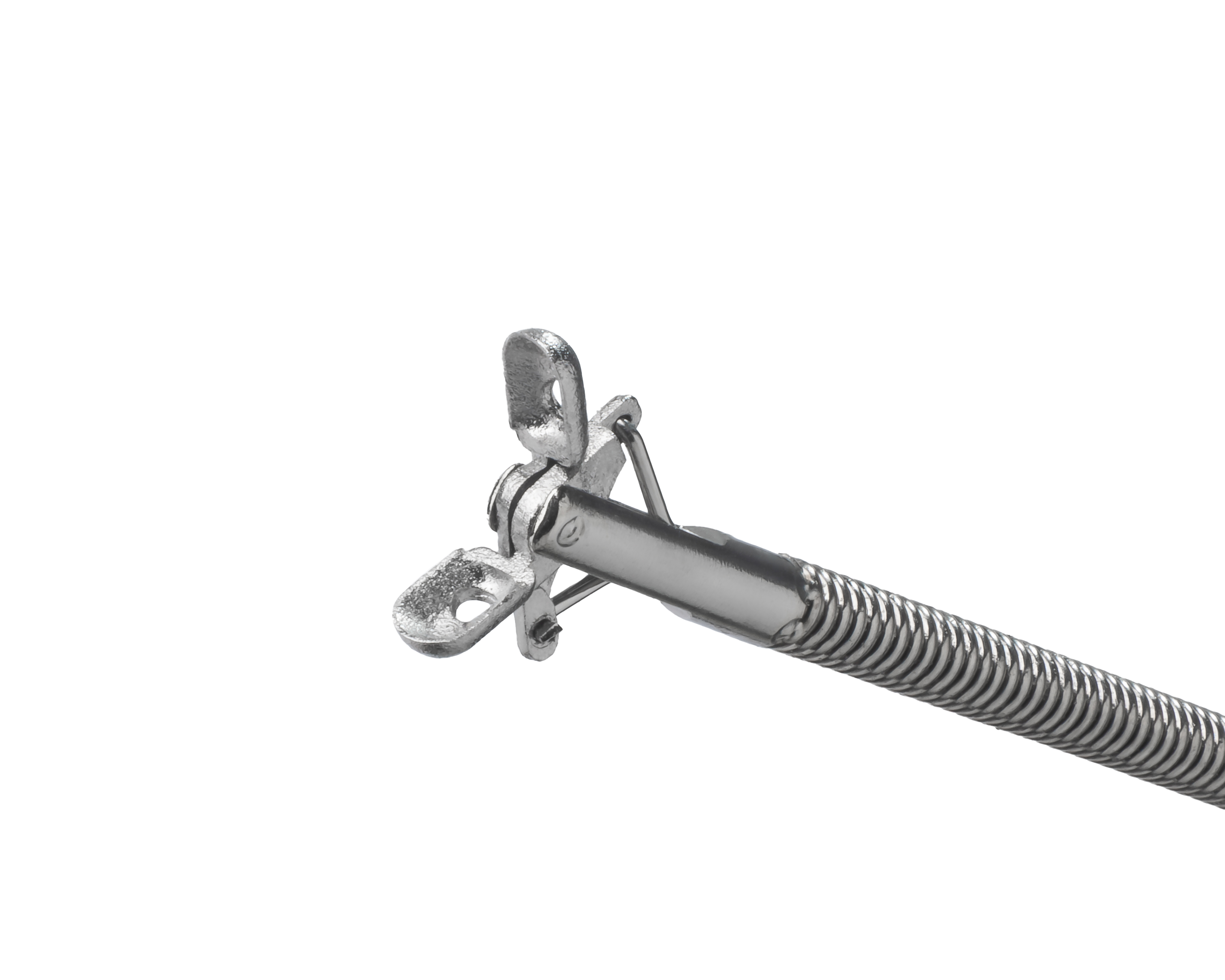
- Jaw style and cup design: Cup jaws (with or without teeth) and overall cup volume affect both specimen size and the potential for mucosal trauma.
- Single‑use vs reusable construction: Single‑use devices remove reprocessing steps and wear‑related variability; reusable devices may appear lower in upfront cost but carry repair and sterilization overhead.
- Backloading and handling: Ability to pass through the scope, ergonomic handle design, and how easily the device fits into existing flexible ureteroscopy technique all influence adoption.
AthenaGrasp™ is positioned as a sterile single‑use 3Fr cup‑jaw forceps with a 120 cm working length and small channel requirement, tailored to ureter and kidney biopsy via flexible ureteroscopy.
3Fr Flexible Biopsy Forceps Comparison
The table below summarizes common design characteristics across three broad categories of 3Fr flexible ureteroscopic biopsy forceps for upper‑tract work. Always consult each device’s official labeling for full indications and specifications.
| Criterion | AthenaGrasp™ flexible biopsy forceps for ureter & kidney | Typical reusable 3Fr flexible forceps | Typical single‑use 3Fr cup forceps |
|---|---|---|---|
| Outer diameter | 3Fr jaw profile designed for narrow upper‑tract anatomy and small‑channel ureteroscopes. | 3Fr shaft on many lines, often with a slightly stiffer profile due to reusable construction. | 3Fr jaw profile for use through flexible ureteroscope working channels. |
| Working length | Approximately 120 cm shaft for access to ureter and renal pelvis. | Commonly in the 100–115 cm range, depending on manufacturer. | Commonly around 115–120 cm for upper‑tract access. |
| Jaw style and cup design | Cup jaw without teeth, aimed at robust tissue acquisition while remaining suitable for narrow anatomy. | Cup or alligator‑type jaws; performance can vary with wear and repeated sterilization. | Cup‑style jaws focused on efficient tissue capture, with cup volumes varying by model. |
| Sterility and use type | Sterile, single‑use device intended for one patient only. | Reusable device requiring cleaning and sterilization between cases. | Sterile, single‑use devices intended for one patient only. |
| Insertion and handling | Flexible shaft designed to pass through small working channels and work with common ureteroscope platforms. | Often front‑loaded; stiffness can influence ease of insertion and scope deflection. | Flexible shafts designed to be passed through the working channel; specific loading methods vary by model. |
| Reprocessing needs | No reprocessing; discarded after use. | Full cleaning, inspection, and sterilization needed between cases; periodic maintenance or replacement required. | No reprocessing; discarded after use. |
| Typical use cases | Ureter and renal pelvis biopsy during flexible ureteroscopy, including upper‑tract evaluations in adult and selected narrow anatomies. | General upper‑tract biopsy where reusable instrumentation is standard and case volume is modest. | Upper‑tract biopsy in settings that prefer single‑use devices, including high‑volume or multi‑site programs. |
Disclaimer: The attributes above are generalized summaries intended for high‑level comparison only. They do not replace official product instructions for use or labeling; users should always review manufacturer documentation before device selection or clinical use.
When to Standardize on a Single‑Use 3Fr Platform
Many centers now favor a single‑use 3Fr platform for upper‑tract biopsy work, using devices in the same general class as AthenaGrasp™ and other modern cup‑jaw forceps. Standardization can be especially valuable in the following situations:
- High‑volume UTUC and upper‑tract biopsy lists: Single‑use 3Fr forceps help keep jaw performance consistent from case to case, supporting more reliable grading and potentially reducing repeat “non‑diagnostic” procedures.
- Mixed inpatient–outpatient or multi‑site workflows: Eliminating reprocessing simplifies logistics across hospitals and ASCs, avoids backlogs, and makes instrument availability more predictable.
- Narrow anatomy and complex access: For calyceal or infundibular lesions where deflection matters more than maximal cup volume, a flexible 3Fr shaft preserves maneuverability and visualization.
- Infection‑control and quality initiatives: Single‑use designs remove cross‑contamination concerns related to complex distal tips and make per‑case device costs more transparent than repair and reprocessing line items.
Which Option Fits Which Facility?
- High‑volume or multi‑site programs: Single‑use 3Fr platforms can standardize performance across locations, simplify logistics, and support clear per‑case costing.
- Academic centers with fellows and research protocols: A consistent single‑use 3Fr forceps strategy reduces device variability in studies and teaching cases, supporting reproducible data and training.
- Community hospitals with mixed inventory: A phased approach can work well—introduce single‑use 3Fr forceps first for UTUC workups, complex anatomy, or higher infection‑risk cases, while maintaining selected reusable sets.
- Lower‑volume sites with robust reprocessing capacity: Reusable 3Fr forceps may remain practical if repair rates are low and the team is confident in cleaning, sterilization, and tracking processes.
Next steps for your evaluation
- Download the flexible biopsy forceps comparison PDF – A one‑page summary of 3Fr upper‑tract biopsy forceps criteria, including OD, length, jaw design, and workflow considerations. For a copy, email sales@minervahealthinc.com or call (833) 464‑6378.
- Book a purchasing review call – Schedule a brief discussion with Minerva’s team to review current 3Fr devices in use at your site and align on potential standardization paths. To set up a time, email sales@minervahealthinc.com or call (833) 464‑6378.
- Request pricing and evaluation units – Obtain AthenaGrasp™ pricing, trial pack details, and support for side‑by‑side evaluation against your current flexible biopsy forceps in UTUC and upper‑tract URS programs by contacting sales@minervahealthinc.com or calling (833) 464‑6378.