
Flexible Ureteroscopy Biopsy Workflow: Building Your Set‑Up with AthenaGrasp
Flexible ureteroscopy (URS) biopsy workflows run best when the team shares a clear, checklist‑style plan from access through pathology handoff. This page outlines a practical set‑up that incorporates 3Fr single‑use biopsy forceps such as AthenaGrasp™ into your URS biopsy lists.
Standard URS Biopsy Set‑Up
You can treat URS biopsy like a standardized “case cart” or preference card. Confirm that each list includes:
- Flexible ureteroscope (digital or fiberoptic) with compatible working channel and imaging stack.
- Ureteral access sheath (when indicated) sized to your scope and patient, plus irrigation set‑up.
- Guidewires: at least one hydrophilic working wire and one safety wire.
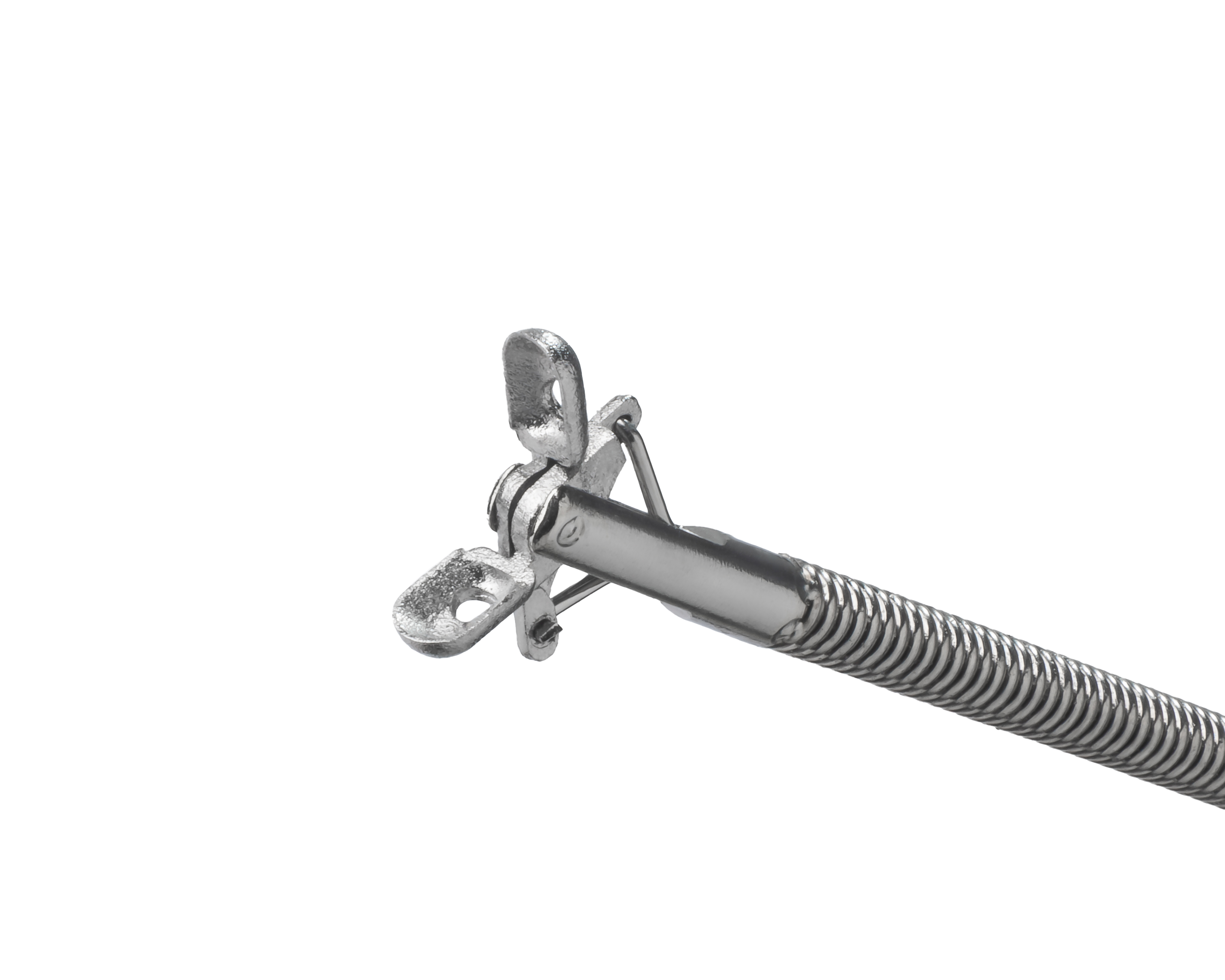
- Biopsy instruments: 3Fr cup biopsy forceps such as AthenaGrasp™ as the primary biopsy device; small baskets or snares as adjuncts if needed.
- Ancillary tools: contrast, fluoroscopy (where available), stone baskets, and laser fibers for combined stone/tumor work.
Many teams turn this into a URS biopsy preference card that always lists “3Fr single‑use flexible biopsy forceps,” “two guidewires,” and a backup basket, making set‑up predictable for nurses, techs, and fellows.
Instrument Selection: When to Choose 3Fr Biopsy Forceps
Choosing the right biopsy device is a balance between access and sample volume. 3Fr flexible cup biopsy forceps (e.g., AthenaGrasp™) are particularly helpful when:
- Ureters are narrow, and maintaining scope deflection is essential to reach proximal ureter or upper‑pole calyces.
- Lesions sit in calyces or infundibula where larger forceps would significantly restrict maneuverability.
- Pediatric or small‑stature patients require low‑profile instruments and gentle manipulation.
- Multiple bites are planned and predictable, repeatable jaw performance matters more than maximum single‑bite size.
In practice, larger forceps can be reserved for straight, easily accessible segments, while 3Fr AthenaGrasp‑type devices become the default for upper‑tract work where access is limiting.
Sample Quality and Pathology Coordination
Because ureteroscopic biopsy specimens are small, workflow around sampling and pathology communication is just as important as the instrument. Build the following into your URS biopsy checklist:
- Plan several bites per lesion with the 3Fr forceps rather than a single specimen, especially in suspected high‑risk UTUC.
- Use separate, clearly labeled containers for dominant lesions, adjacent mucosa, and additional sites when feasible.
- Pair forceps biopsies with selective upper‑tract cytology (renal pelvis or ureteral washings) when indicated, and label which level each specimen represents.
- Confirm with pathology how tiny fragments will be processed (e.g., filter paper or mesh bags) to minimize tissue loss.
These steps, combined with consistent bites from a 3Fr device like AthenaGrasp, support more reliable grading and may reduce non‑diagnostic reports that trigger repeat URS.
Single‑Use vs Reusable Forceps in Busy URS Lists
High‑volume URS lists magnify the operational differences between reusable and single‑use biopsy forceps.
- Turnaround: Single‑use AthenaGrasp‑type forceps arrive sterile and ready, avoiding cancellations or delays when reprocessing is backed up or add‑on cases appear.
- Performance consistency: Reusable jaws can loosen or dull over time; single‑use 3Fr forceps provide the same alignment and closing force each case.
- Cross‑contamination risk: Single‑use devices eliminate concerns about incomplete cleaning of complex distal tips.
- Cost visibility: While per‑unit spend is higher, single‑use instruments can offset hidden costs tied to repairs, tracking, loaners, and reprocessing labor.
Many centers adopt a hybrid model: reusable sets for selected cases, and single‑use 3Fr biopsy forceps such as AthenaGrasp™ as the default for upper‑tract biopsy, narrow anatomy, or higher infection‑risk scenarios.
Next Steps and URS Biopsy Resources
- Request an AthenaGrasp Trial – Evaluate 3Fr single‑use forceps in your upcoming URS biopsy list and gather input from surgeons, fellows, and OR nurses.
- Email Our Urology Team – Share your current URS set‑up and discuss how AthenaGrasp and Minerva’s flexible forceps portfolio can fit your workflow: sales@minervahealthinc.com.
- Call Our Team – For immediate discussion about URS biopsy trays and AthenaGrasp configuration, call (833) 464‑6378.