
Upper Tract Urothelial Carcinoma Biopsy
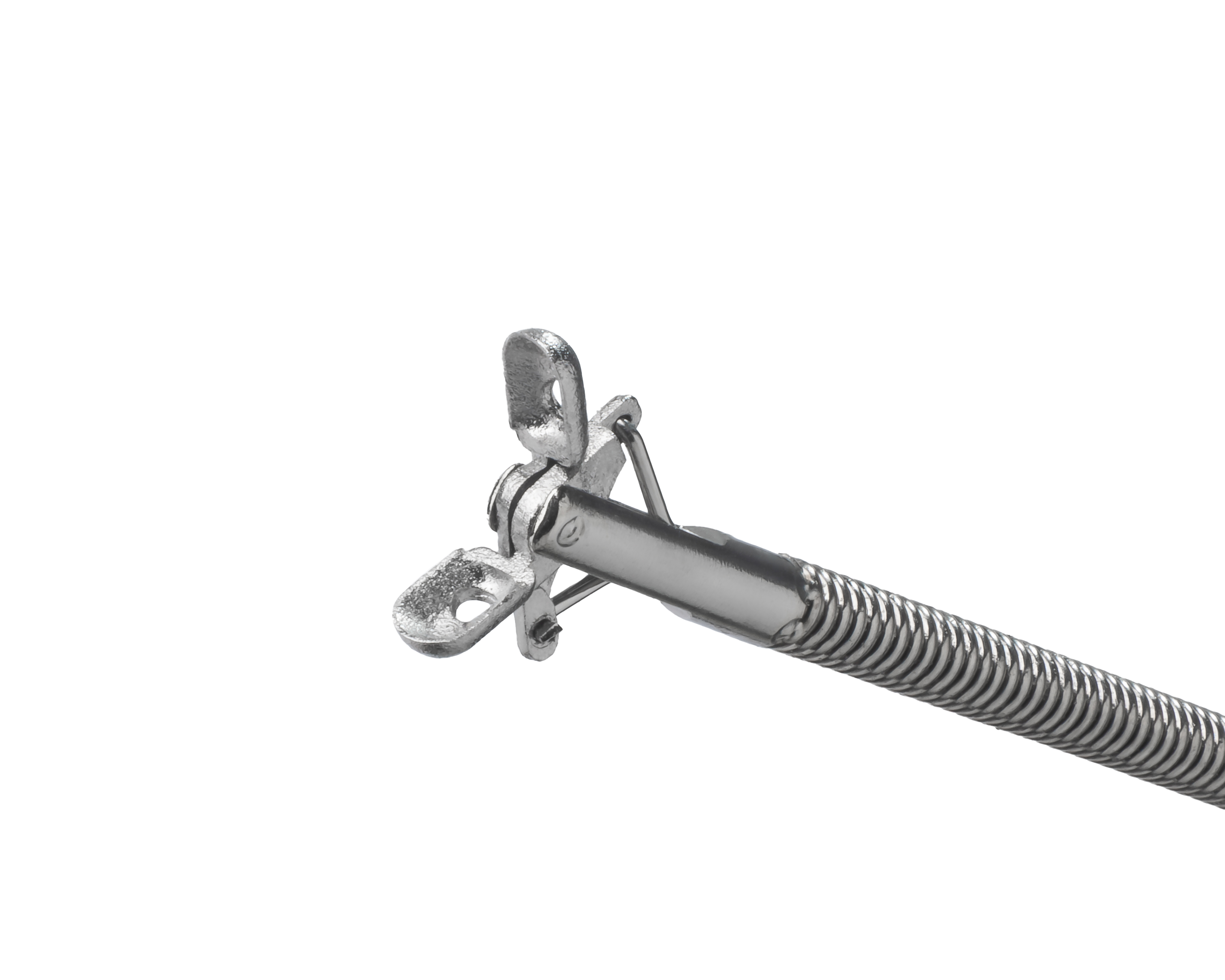
AthenaGrasp™ 3Fr flexible biopsy forceps are designed to support reliable upper tract urothelial carcinoma (UTUC) diagnosis by delivering high‑quality tissue samples during flexible ureteroscopy. To see full technical specifications, visit the AthenaGrasp product page on Minerva Health Solutions.
Challenges in UTUC Diagnosis
UTUC frequently presents with small ureteral or renal pelvic lesions, positive cytology, or imaging changes that require endoscopic confirmation. Limited tissue yield and crush artifact from small biopsy devices can make grading and staging difficult, which increases uncertainty around kidney‑sparing versus nephroureterectomy decisions. Even in experienced centers, biopsy‑based grading may underestimate final pathology when samples are too superficial or fragmented. Incomplete biopsy sets can force repeat ureteroscopies, adding cost, delaying systemic therapy choices, and burdening patients. Flexible biopsy forceps that can reach narrow calyces while still retrieving robust specimens are therefore central to a dependable UTUC diagnostic pathway.
Biopsy via Flexible Ureteroscopy: Technique Overview
Flexible ureteroscopy allows direct visualization and targeted biopsy of ureteral and renal pelvic tumors under irrigation. A practical approach is to structure the biopsy around a simple, repeatable sequence:
- Access and inspection – Advance the flexible ureteroscope retrograde to the ureter and renal pelvis, assess the entire collecting system, and identify all suspicious lesions.
- Primary lesion targeting – Introduce 3Fr cup biopsy forceps through the working channel and take multiple bites from the dominant lesion, aiming for visibly substantial samples while preserving visualization.
- Adjacent mucosa and satellite sampling – Biopsy surrounding mucosa and any additional lesions to better characterize multifocal or field‑change disease.
- Selective cytology collection – Obtain renal pelvic or ureteral washings before or after forceps biopsies to complement histology and improve risk stratification.
- Specimen handling and labeling – Separate specimens by site when possible and clearly label forceps biopsies and cytology samples to aid correlation with any later nephroureterectomy specimen.
- Documentation – Record lesion location, size, appearance, and number of biopsy passes in the operative report to support multidisciplinary discussion.
This structured approach, paired with consistent biopsy instrument performance, helps teams reduce under‑grading and build more reproducible UTUC pathways.
Why 3Fr Single‑Use Forceps Matter in the Upper Tract
A 3Fr outer diameter allows forceps to pass through small working channels while preserving deflection, which is crucial for accessing upper calyces, narrow infundibula, and tight ureters. Slim, flexible shafts reduce torque on the ureteroscope and help maintain endoscopic visualization, even at extreme angles in the collecting system. Single‑use, sterile construction removes concerns about jaw wear, misalignment, or micro‑damage in reusable devices that can compromise tissue bites. It also supports infection‑prevention initiatives and eliminates reprocessing delays that can disrupt high‑volume diagnostic URS lists. By combining a 3Fr profile with dependable jaw performance in every case, single‑use forceps help teams obtain consistent, interpretable specimens from challenging upper‑tract anatomy and may reduce the need for repeat biopsies.
Where AthenaGrasp Fits in Your UTUC Algorithm
AthenaGrasp is well suited for initial diagnostic ureteroscopy when imaging, cytology, or hematuria raises suspicion for UTUC. It can be used to collect biopsy samples before definitive treatment decisions, including whether to offer nephroureterectomy or kidney‑sparing laser ablation or ablation plus adjuvant therapy. In kidney‑sparing management pathways, AthenaGrasp can also support surveillance ureteroscopy by re‑biopsying recurrent or new lesions, helping confirm that disease remains low‑grade and localized. The 3Fr, 120 cm design makes it appropriate for ureteral and renal pelvic lesions in adult patients, with potential use in select pediatric cases according to institutional and operator protocols. By standardizing on AthenaGrasp as the primary 3Fr forceps in your UTUC algorithm, you can simplify instrument selection while focusing on sample quality, reproducible workflows, and clearer multidisciplinary decision‑making.
For broader context on device selection, you can also explore Minerva’s flexible biopsy forceps collection.
Next Steps and Clinical Resources
- Request an AthenaGrasp Trial – Trial 3Fr single use forceps in your next upper tract ureteroscopy list and gather feedback from your endourology team.
- Book a 10 Minute Case Planning Call – Speak with a Minerva urology specialist about integrating AthenaGrasp into your UTUC diagnostic and kidney sparing algorithms.
Talk with the Minerva urology team about AthenaGrasp or UTUC biopsy workflows:
- Email: sales@minervahealthinc.com
- Phone: (833) 464‑6378