


Description
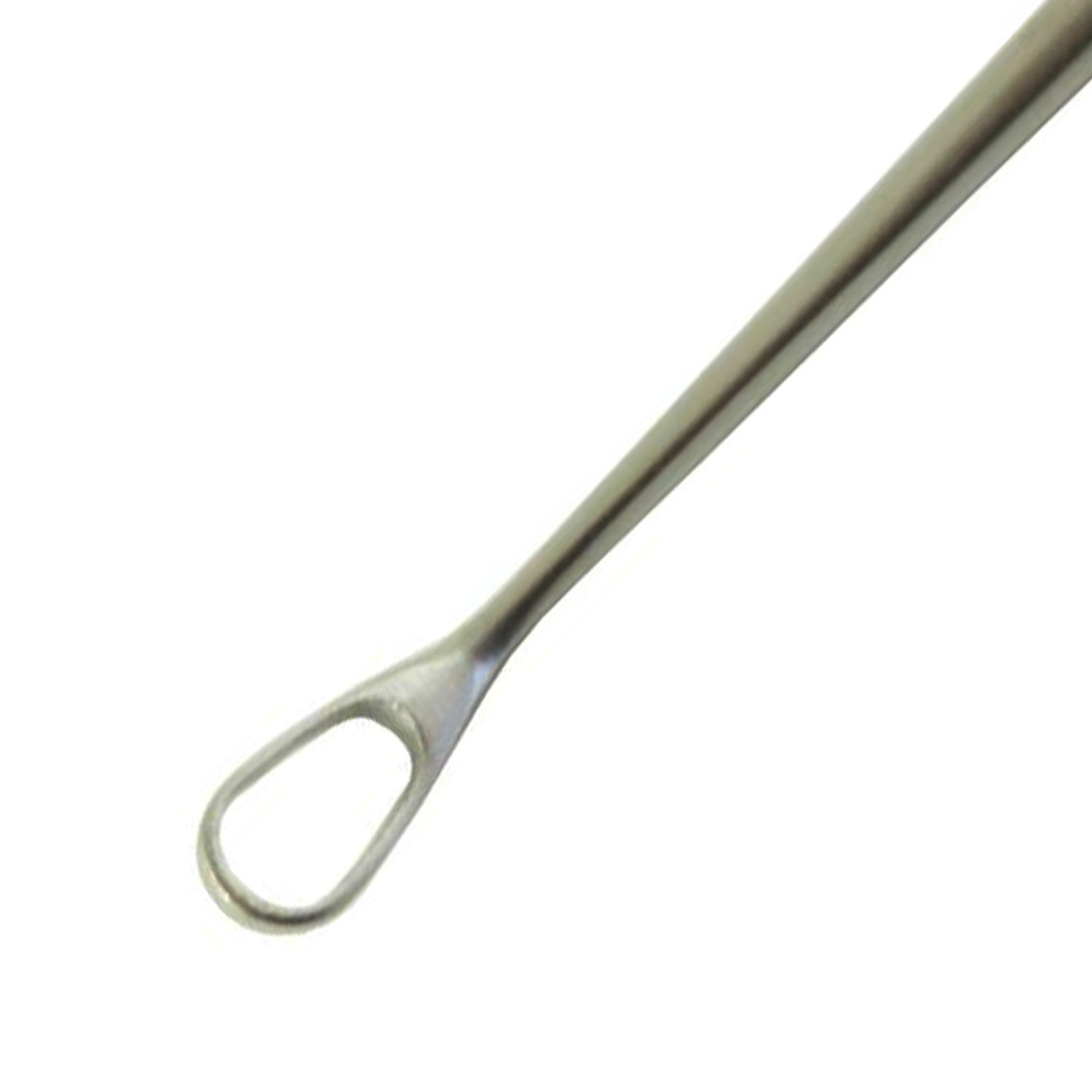
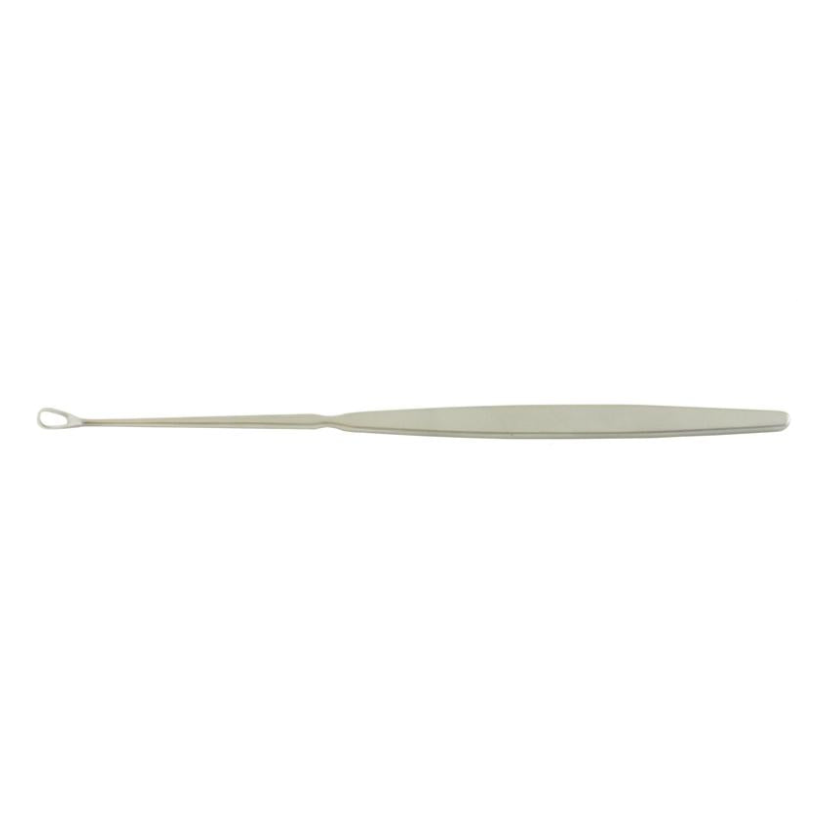
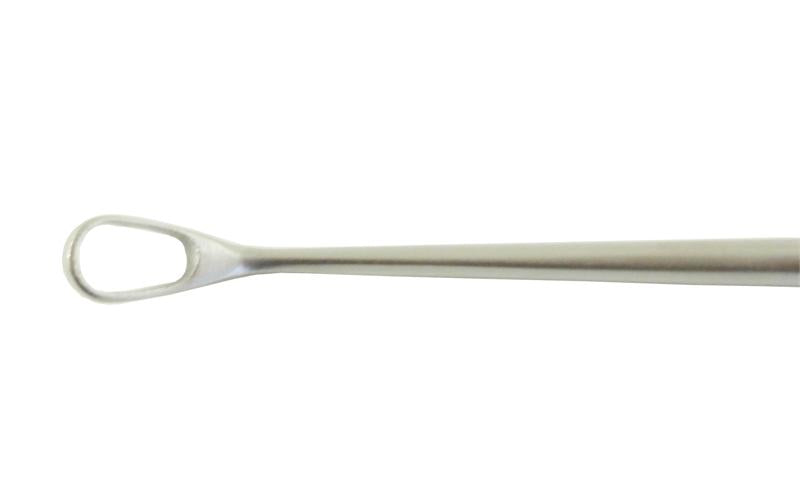
Precision matters in ENT surgery. The Sinus Curette Backward Cutting delivers the surgical control and reliability you need for delicate sinus and nasal procedures. Whether you're performing FESS, polypectomy, or tissue biopsy, this professional-grade instrument provides the tactile feedback and precision that leads to successful outcomes.
Crafted from premium surgical-grade stainless steel with meticulous attention to working end geometry, this instrument gives you the confidence to work efficiently in confined anatomical spaces. Every detail - from jaw alignment to ratchet feel - is engineered for optimal performance.
Key Benefits & Features
Surgical Precision You Can Feel: Meticulously designed working ends with precision-ground surfaces provide exceptional control for tissue manipulation and grasping. Fine serrations and optimized jaw geometry enable precise work in tight nasal and sinus spaces.
Premium Surgical-Grade Materials: Manufactured from high-quality stainless steel with superior corrosion resistance and durability. Maintains sharp edges and smooth action through hundreds of sterilization cycles and procedures.
Ergonomic Comfort for Long Cases: Balanced weight distribution and comfortable finger ring design minimize hand fatigue during lengthy FESS procedures. Smooth, responsive ratchet mechanisms provide tactile feedback for confident tissue handling.
Versatile Clinical Applications: Suitable for a wide range of ENT procedures from routine polypectomy to complex revision sinus surgery. Works effectively with both traditional and endoscopic surgical techniques.
Technical Specifications
| Product Name | Sinus Curette Backward Cutting |
| Manufacturer Part Number | 501.45 |
| Brand/Compatibility | Professional Medical Grade |
| Material | Surgical-grade stainless steel / Medical-grade materials |
| Sterilization | Autoclavable (steam sterilization compatible) |
| Intended Use | Professional medical use only |
Clinical Applications
- Functional endoscopic sinus surgery (FESS)
- Nasal polypectomy and tissue removal
- Ethmoidectomy and sphenoidectomy
- Maxillary antrostomy
- Frontal recess dissection
- Tissue biopsy and specimen collection
- Foreign body removal
- Septoplasty and turbinate procedures
Frequently Asked Questions About ENT Surgical Instruments
Q: What's the difference between straight and angled sinus instruments?
A: Straight instruments provide direct anterior access and are excellent for front-of-nose work and anterior ethmoid surgery. Angled instruments (45 Degree, 70 Degree, 90 Degree, 120 Degree) enable access to lateral and posterior structures that are difficult or impossible to reach with straight instruments. Most ENT surgeons use multiple angles during FESS procedures for comprehensive sinus access.
Q: How do I choose the right jaw size for my procedures?
A: Jaw size selection depends on the tissue you're manipulating and available working space. Smaller jaws (1-2mm) provide precision and control for delicate tissue work in tight spaces. Larger jaws (3-4mm) offer more grasping surface for polyp removal and handling bulkier tissue. Many practices stock multiple sizes for procedural flexibility.
Q: Can these instruments be resharpened when cutting edges dull?
A: While some instruments can be professionally resharpened, it's generally more cost-effective to replace them when cutting performance significantly declines. Attempting to sharpen instruments without proper equipment and expertise can damage precision-ground surfaces and alter jaw alignment. Regular inspection helps you identify when replacement is needed.
Q: What's the best way to clean and sterilize sinus instruments?
A: Immediately after use, rinse instruments to prevent blood and tissue from drying. Clean thoroughly with enzymatic solution and soft brushes, paying special attention to ratchets, hinges, and working ends. Rinse completely, then sterilize via steam autoclave according to your facility protocols. Leave ratchets slightly open during sterilization to allow steam penetration.
Q: How often should I replace my sinus surgery instruments?
A: Replace instruments when you notice decreased performance such as difficulty grasping tissue, misaligned jaws, poor ratchet function, or significantly dulled cutting edges. With proper care, quality instruments can last several years, but high-use instruments in busy practices may need replacement annually. Regular inspection and maintenance extend instrument lifespan.
Q: Are these instruments suitable for both office and OR procedures?
A: Yes, these professional-grade instruments are appropriate for both office-based procedures and operating room use. They meet the performance standards required for surgical intervention while being practical for diagnostic biopsies and minor office-based treatments.
Why Choose Minerva Health Solutions
When you order from Minerva Health Solutions, you're partnering with a supplier committed to your clinical success and practice efficiency:
- Competitive Pricing: Professional-grade medical instruments at prices that respect your budget and practice economics
- Quality Assurance: Every instrument undergoes rigorous quality control testing before shipping
- Fast, Reliable Shipping: Quick order processing and dependable delivery to keep your practice running smoothly
- Expert Product Support: Knowledgeable team available to help with product selection, compatibility questions, and technical support
Ready to order? Add the Sinus Curette Backward Cutting to your cart now and experience the Minerva Health Solutions difference. Have questions about this product or need help choosing the right instrument? Contact our team - we're here to help you find exactly what you need for your practice.