
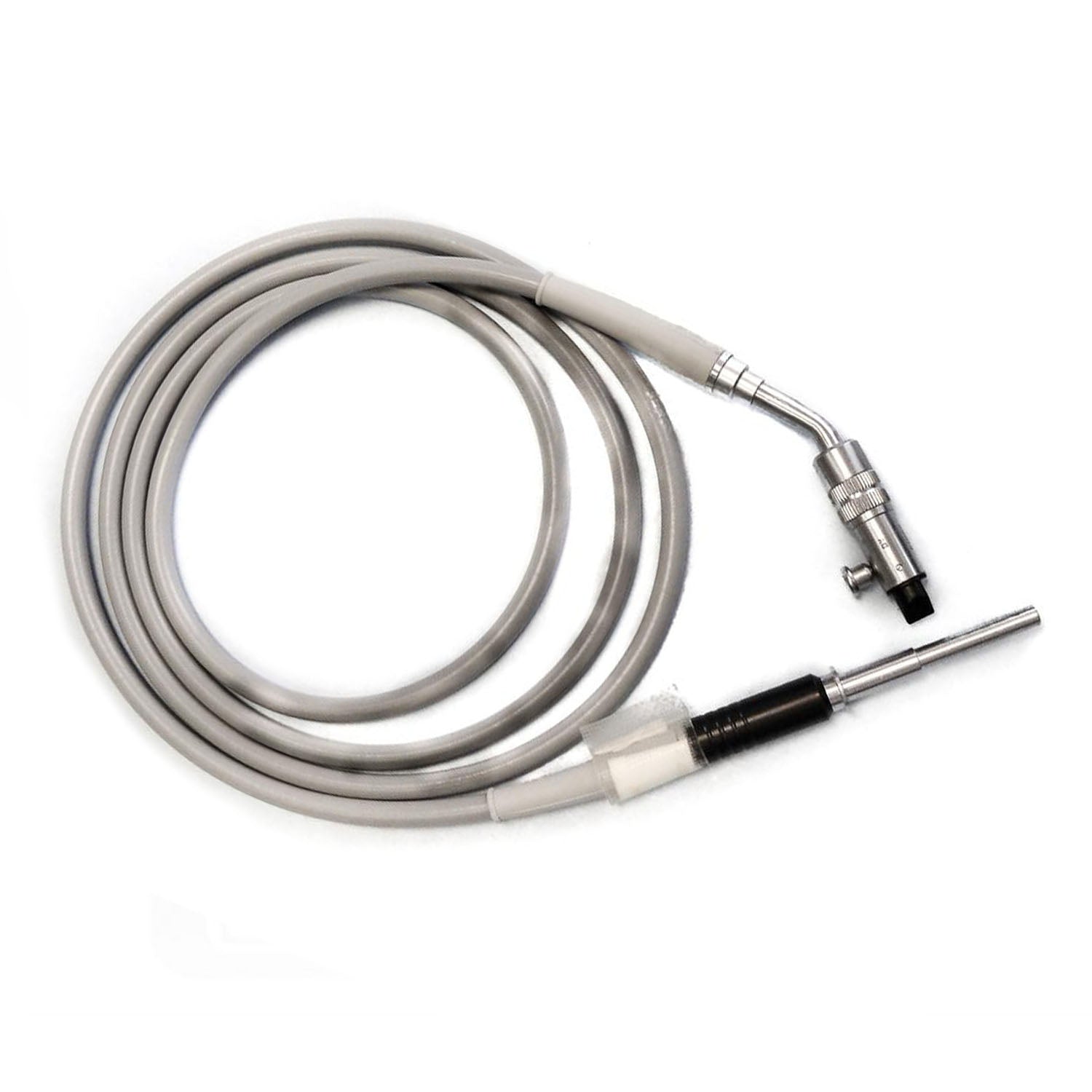


Description
When airway management success matters, you need reliable equipment you can trust. The Storz Laryngoscope Light Cable provides the visualization and ergonomic design anesthesiologists and emergency physicians depend on for successful intubation - whether you're handling routine cases or challenging airways.
Engineered for performance under pressure, this laryngoscope delivers consistent results in critical situations. The optimized blade design and illumination system work together to provide clear vocal cord visualization, reducing intubation time and improving patient outcomes.
Key Benefits & Features
Enhanced Vocal Cord Visualization: Optimized blade geometry and superior illumination provide clear views of the vocal cords and glottic opening. See what you need to see, even in difficult airway scenarios with limited mouth opening or anterior larynx.
Ergonomic, Fatigue-Free Design: Carefully engineered handle and blade balance reduce hand and wrist fatigue during prolonged procedures. Comfortable grip enables precise control and smooth manipulation for confident intubation technique.
Durable Clinical Construction: Built to withstand the demands of busy ORs and emergency departments. Robust materials maintain performance through hundreds of sterilization cycles, providing reliable service year after year.
Rapid Deployment Capability: Streamlined design enables quick setup and immediate use in emergencies. Reduce door-to-intubation time while maintaining the highest standards of patient safety and airway management quality.
Technical Specifications
| Product Name | Storz Laryngoscope Light Cable |
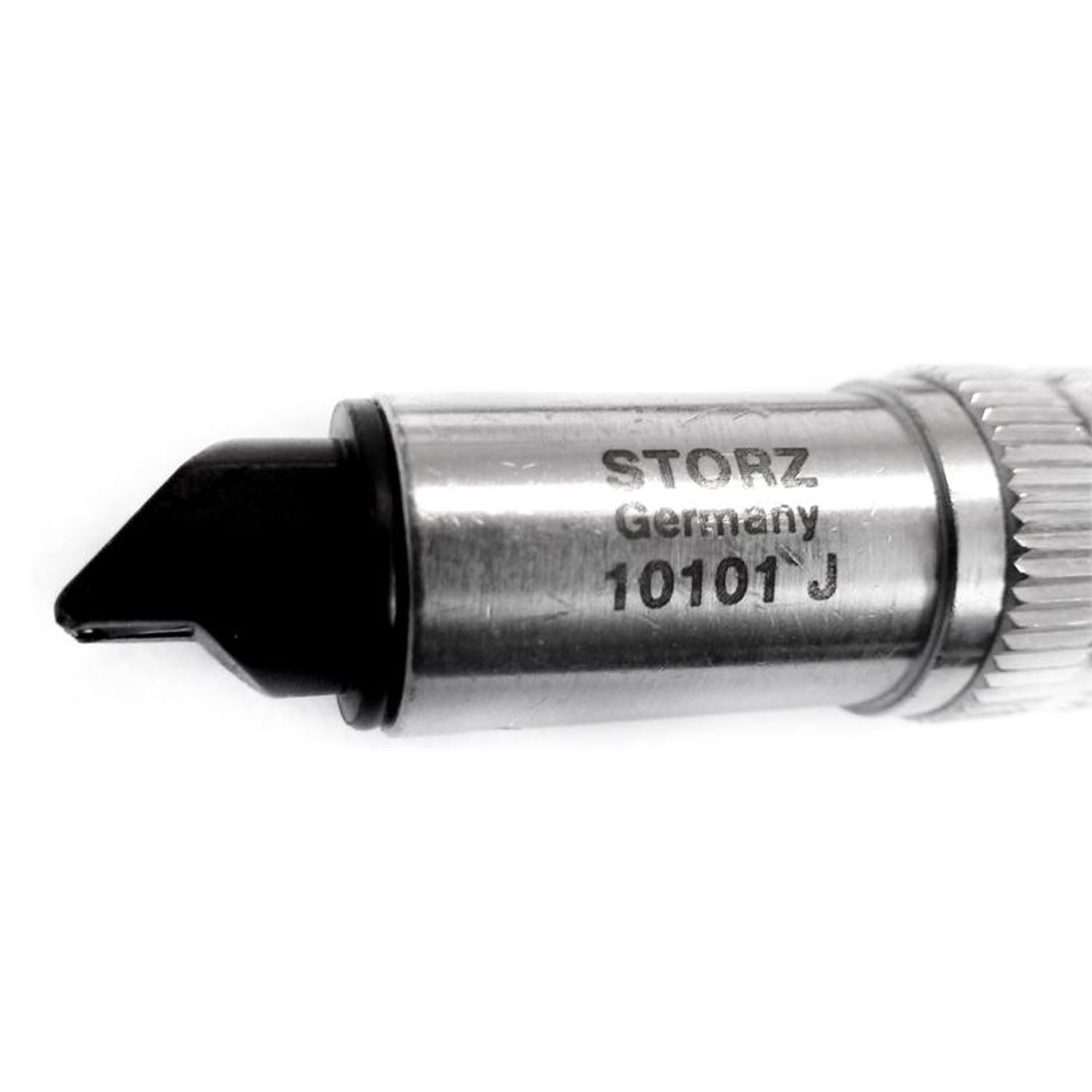
| Manufacturer Part Number | 10101J |
| Brand/Compatibility | Karl Storz Compatible |
| Material | Surgical-grade stainless steel / Medical-grade materials |
| Sterilization | Autoclavable (steam sterilization compatible) |
| Intended Use | Professional medical use only |
Clinical Applications
- Endotracheal intubation (routine and emergent)
- Difficult airway management
- Rapid sequence intubation
- Laryngeal surgery visualization
- Airway assessment and examination
- Vocal cord evaluation
- Pediatric and adult intubation
- ICU airway management
Frequently Asked Questions About Laryngoscopes
Q: What size laryngoscope blade do I need for adult patients?
A: For average adult patients, a size 3 Macintosh blade or equivalent is the most commonly used. Larger adults may require size 4, while smaller adults might be better served with size 2. Always have multiple sizes immediately available during intubation to accommodate varying patient anatomy.
Q: Is this laryngoscope compatible with fiber optic light sources?
A: Yes, this laryngoscope is designed to work with standard fiber optic light sources commonly used in operating rooms, emergency departments, and intensive care units. Verify specific compatibility with your light source model if you have unique equipment.
Q: Can I use this for both routine and difficult airway cases?
A: This laryngoscope is suitable for routine intubations and many difficult airway scenarios. However, extremely challenging airways may benefit from specialized equipment such as video laryngoscopes, fiber optic bronchoscopes, or alternative intubation devices. Always follow difficult airway algorithms and have backup equipment available.
Q: What's the difference between Macintosh and Miller blade designs?
A: Macintosh (curved) blades lift the epiglottis indirectly by placing the tip in the vallecula, making them ideal for most adult patients. Miller (straight) blades directly lift the epiglottis and are often preferred for pediatric patients, patients with anterior larynx, or when you need more direct glottic exposure. Blade choice often depends on patient anatomy and clinician preference.
Q: How should I maintain my laryngoscope between uses?
A: After each use, thoroughly clean the blade and handle with appropriate disinfectant solutions, paying attention to crevices and connection points. Sterilize according to your facility protocols (typically autoclave). Regularly inspect blade-handle connections, light functionality, and overall condition. Store in a clean, dry environment to prevent damage.
Q: What do I do if the light seems dim during intubation?
A: Dim illumination is usually caused by battery depletion, poor blade-handle connection, or damaged fiber optics. Before procedures, always check battery charge, ensure proper blade attachment with good electrical contact, and verify light intensity. Keep backup batteries and equipment immediately available.
Why Choose Minerva Health Solutions
When you order from Minerva Health Solutions, you're partnering with a supplier committed to your clinical success and practice efficiency:
- Competitive Pricing: Professional-grade medical instruments at prices that respect your budget and practice economics
- Quality Assurance: Every instrument undergoes rigorous quality control testing before shipping
- Fast, Reliable Shipping: Quick order processing and dependable delivery to keep your practice running smoothly
- Expert Product Support: Knowledgeable team available to help with product selection, compatibility questions, and technical support
Ready to order? Add the Storz Laryngoscope Light Cable to your cart now and experience the Minerva Health Solutions difference. Have questions about this product or need help choosing the right instrument? Contact our team - we're here to help you find exactly what you need for your practice.