For minor urology procedures, this collection brings together surgical blades, cold knives, and related accessories chosen for precision, efficient workflows, and consistent performance in clinics and ambulatory surgery centers (ASCs).
It is designed for urologists, perioperative nurses, and purchasing teams who need reliable, procedure‑specific urology blades for vasectomy, circumcision, urethrotomy, and other minor procedures.
Why Choose This Blade Portfolio
- Curated specifically for minor genitourinary procedures rather than general surgical use.
- Includes scalpel blades commonly used in minor urology procedures such as vasectomy, circumcision, cystoscopy‑related incisions, and urethral work.
- Quality steel construction supports clean, controlled incisions with minimal tissue trauma when used as directed.
- Supports high‑throughput urology ASCs and office‑based procedures where predictable performance and efficient turnover are essential.
- Integrates with existing handles, urethrotomes, and cystoscopy sets to streamline procurement across brands and models.
Typical Clinical Use Scenarios
These blades are suited to a range of minor urology procedures that require precise soft‑tissue incision, including:
- No‑scalpel vasectomy skin puncture and extension in office‑based vasectomy workflows.
- Circumcision skin and mucosal incisions in clinic circumcision procedures.
- Urethrotomy incisions during management of urethral strictures, when paired with compatible urethrotomes and cold knives.
- Small cut‑downs or accessory incisions used with cystoscopy, stent placement, and minor scrotal or penile procedures in outpatient settings, according to clinician judgment.
Clinical teams should always follow local protocols, manufacturer instructions for use (IFUs), and relevant urology guidelines when selecting and using blades.
Common Cincinnati Surgical and Swann Morton Blade Choices
For many minor urological procedures, clinicians frequently select the following Cincinnati Surgical and Swann Morton surgical blades, depending on the size and type of incision required.
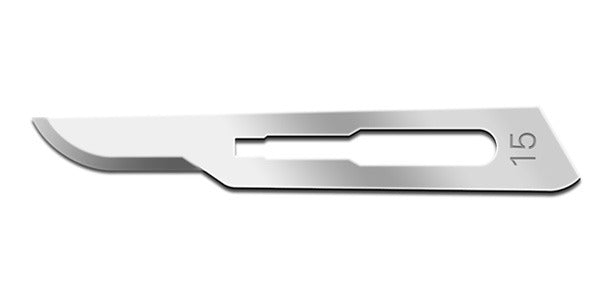
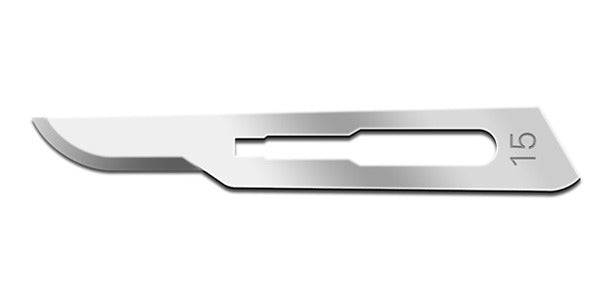
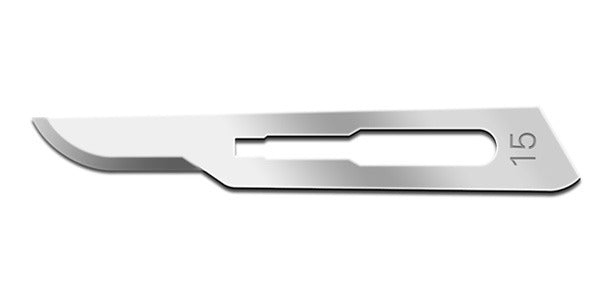
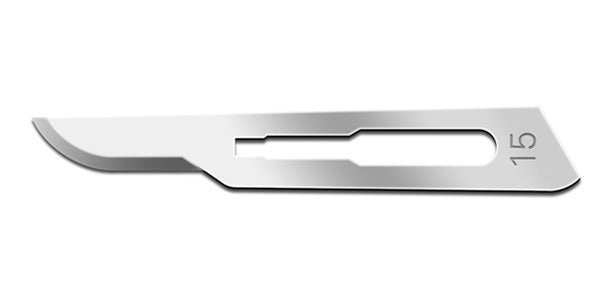
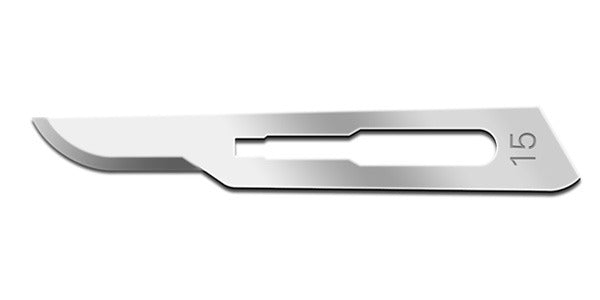
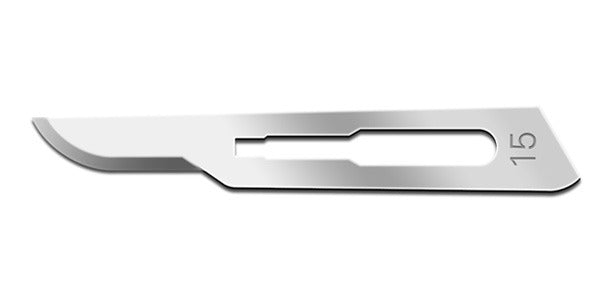
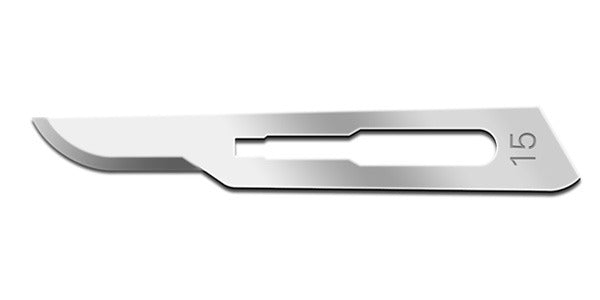
- Size 15 blade – This pattern is widely used for short, precise skin incisions and delicate dissections. Its small, curved cutting edge allows controlled, accurate cuts, which supports good cosmetic results and helps minimize tissue trauma when used appropriately.
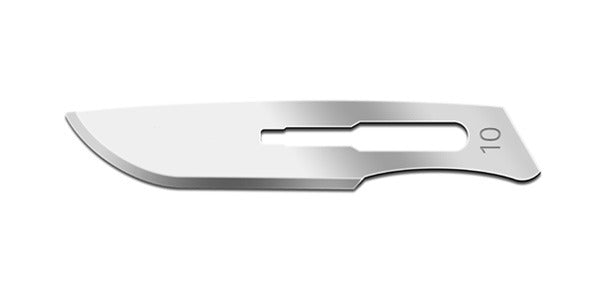
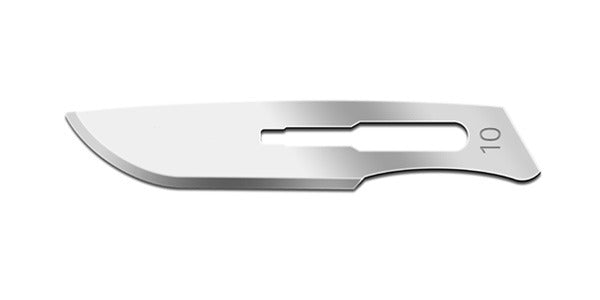
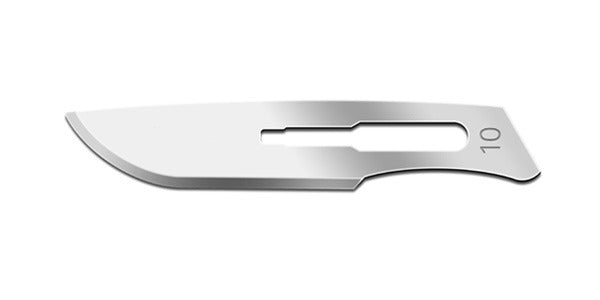
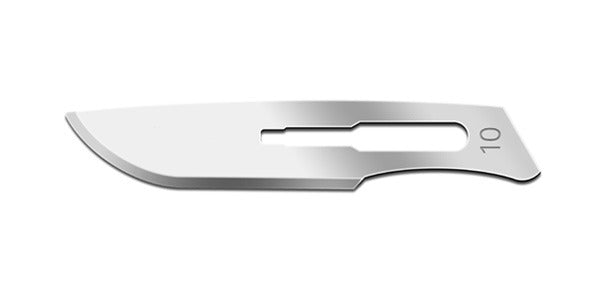
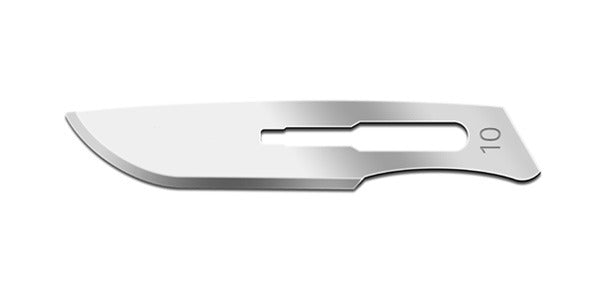
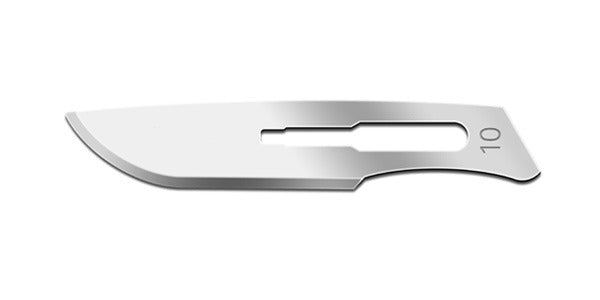
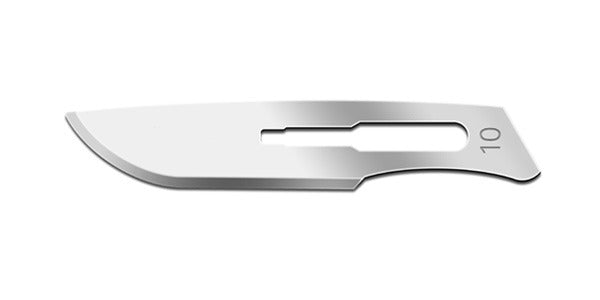
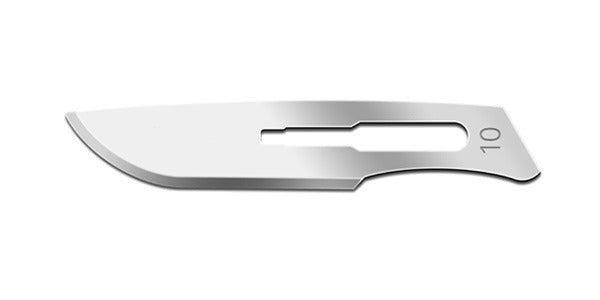
- Size 10 blade – This broader, curved blade is often chosen for slightly larger incisions and smooth, sweeping cuts through skin and subcutaneous tissue, such as those required for soft‑tissue exposure in minor procedures.
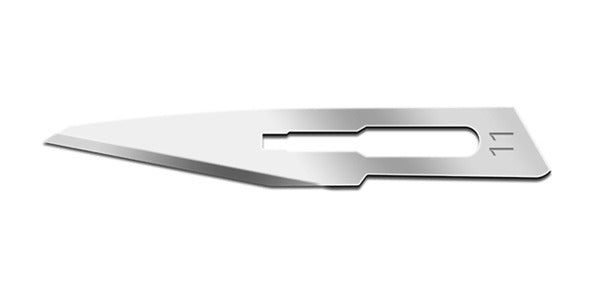
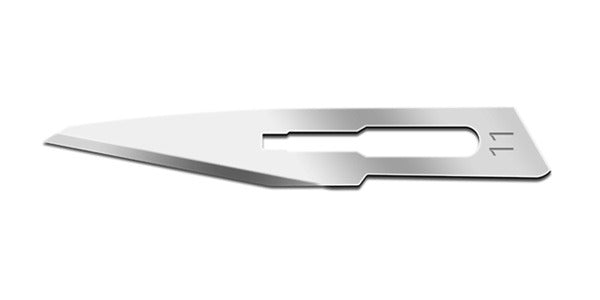
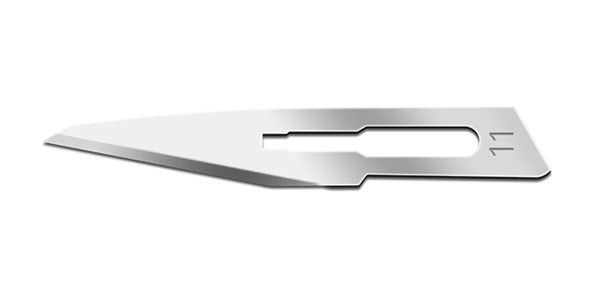
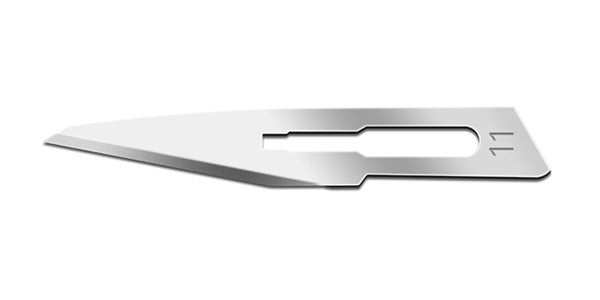
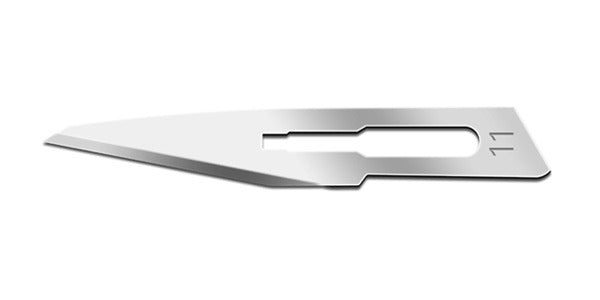
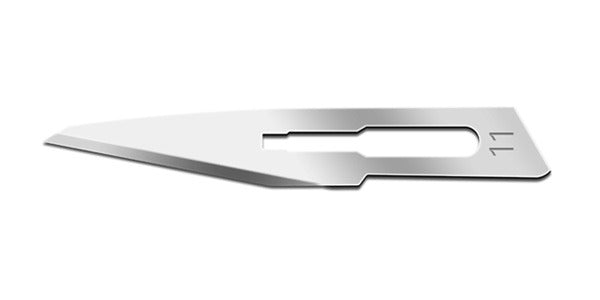
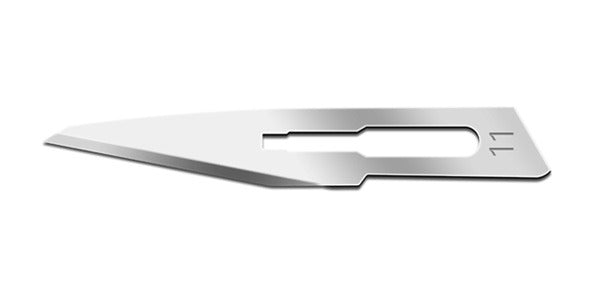
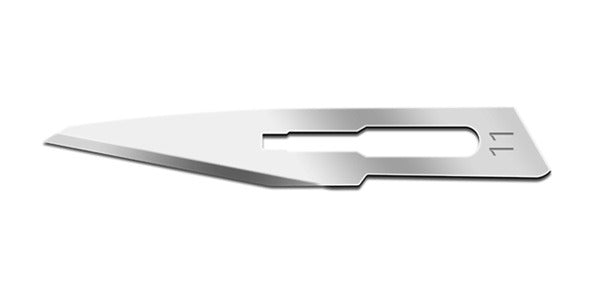
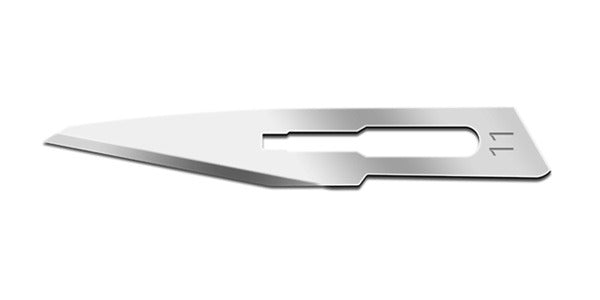
- Size 11 blade – With its elongated triangular shape and sharp point, this blade is typically selected for stab incisions or punctures, including small entry points for instruments or drainage procedures, where precise penetration with minimal collateral tissue damage is needed.
Across minor urology procedures, these blades are chosen to balance precision, control, and tissue preservation, allowing clinicians to tailor incision size and profile to each procedure.
Key Features and Benefits
- Supports common office‑based vasectomy, clinic circumcision, and ASC minor urology procedures, helping standardize blade selection across providers and locations.
- Many blades and cold knives work with commonly used handles, urethrotomes, and cystoscopic working elements, simplifying training and inventory.
- Offers both carbon steel and stainless steel options to match surgeon preference for sharpness, edge retention, and corrosion resistance.
- Fine, sharp profiles help enable small incisions and controlled tissue entry, which is important in vasectomy and other minor urologic interventions.
- This portfolio supports high‑volume, same‑day urology surgery with dependable performance and predictable ordering across clinics and ASCs.
Representative Technical Specifications
Exact specifications vary by individual product; always refer to the specific product page for full details.
| Technical attribute | Typical details for products in this collection |
|---|---|
| Blade type | Surgical blades and cold knives with half‑moon or straight profiles and procedure‑specific tips. |
| Materials | High‑grade carbon steel or stainless steel designed for sharpness and durability. |
| Sterility | Mix of sterile, single‑use blades and non‑sterile options intended for sterilization before use. |
| Compatibility | Standard scalpel handles, urethrotomes, and cystoscopic working elements (see individual product pages). |
| Intended setting | Urology clinics, office‑based procedures, ASCs, and hospital minor procedure rooms. |
| Typical indications | Vasectomy, circumcision, urethral stricture management, and other minor soft‑tissue incisions in urologic procedures, per clinician judgment. |
| Regulatory expectations | Medical‑grade blades from established manufacturers that follow recognized quality standards (for example, ISO‑based quality systems). |
Ordering, SKUs, and Compliance Notes
- Browse the products in this collection to select the blade size, configuration, and material that best match your procedure mix.
- Each product page lists the full item name, packaging details, and any manufacturer catalog or reference numbers to support accurate ordering.
For large orders, contract pricing, or help cross‑referencing a current blade to an equivalent model in this collection, your Minerva Health representative can assist with product selection and standardization.
Visuals and Resources
- Product images on individual pages show blade profile, packaging, and compatible systems to support quick visual verification before ordering.
- Where available, downloadable datasheets or IFUs from the manufacturers provide additional information on materials, sterilization, and handling.
- Educational articles on the Minerva Health site cover common urology procedures and instrument selection, including how blades are used in minor urology procedures and ASC settings.
Frequently Asked Questions
Which minor urology procedures can these blades be used for?
This collection supports minor procedures such as vasectomy, circumcision, urethrotomy, and small incisions that accompany cystoscopy or stone procedures, when used according to clinician judgment and manufacturer IFUs.
Are the blades sterile and single‑use?
Some items are supplied as sterile, single‑use blades, while others are non‑sterile and intended for reprocessing. The specific status is listed on each product page and on the product packaging.
Can these blades be used in both clinic and ASC settings?
Yes. Many of these blades are appropriate for office‑based clinics, urology ASCs, and hospital minor procedure rooms, provided they are used within your local sterility and device‑use policies.
Can you help us standardize blade sizes across providers?
Yes. Minerva Health can help you design standardized sets—for example, a core set built around size 10, 11, and 15 blades—and map your current inventory to equivalent products in this collection for single‑site or multi‑site use.
How do I know if a blade is compatible with my handle or urethrotome?
Each product description indicates compatible handle types or urethrotome systems where applicable. If you are unsure, contact Minerva Health or your sales representative for confirmation before ordering.
Trust and Clinical Confidence
Minerva Health focuses on portfolios tailored to urology, including adult, pediatric, and ASC solutions, so purchasing teams can standardize with a single distribution partner.
The blades and minor procedure instruments in this collection are sourced from established manufacturers and aligned with recognized quality standards to support consistent performance and patient safety when used according to instructions.
Next Steps
- Compare the size 10, 11, and 15 blades below to build a standardized minor urology set that fits your clinic or ASC case mix.
- Match blade types and sizes to your most common procedures, then add items to your cart or request a quote for bulk or multi‑site orders.
- If you need help mapping current inventory to Minerva Health equivalents for vasectomy, circumcision, or urethrotomy sets, contact the support team for a product cross‑reference and stocking recommendation.