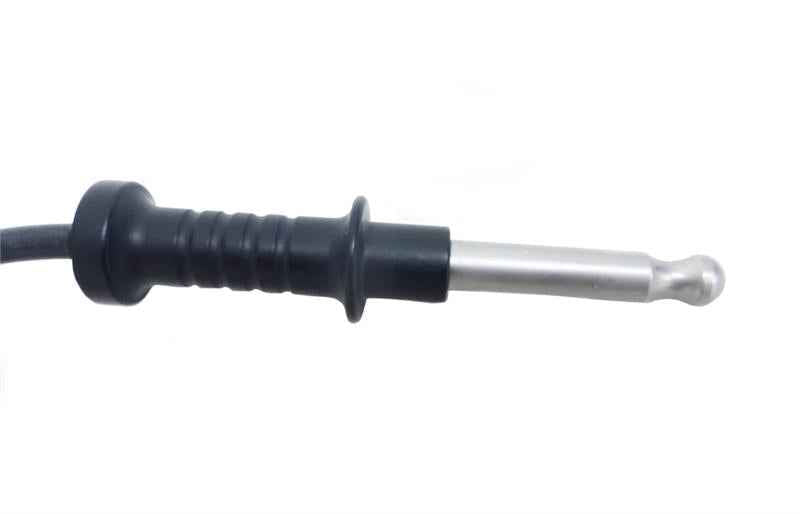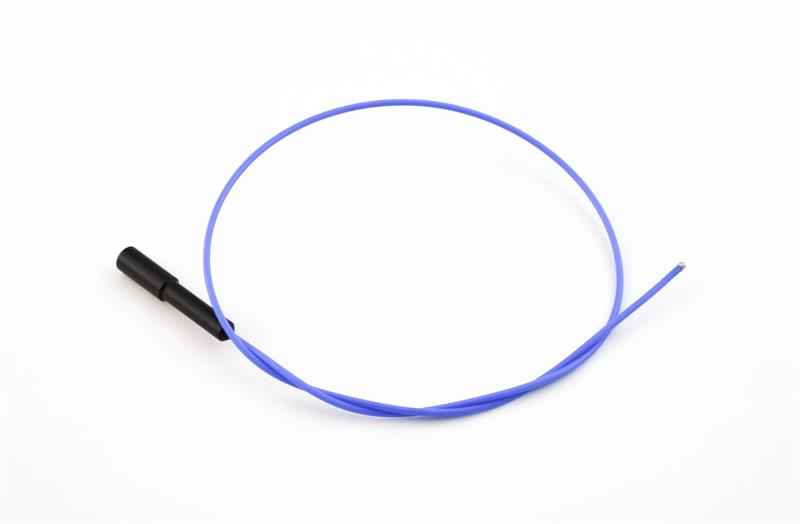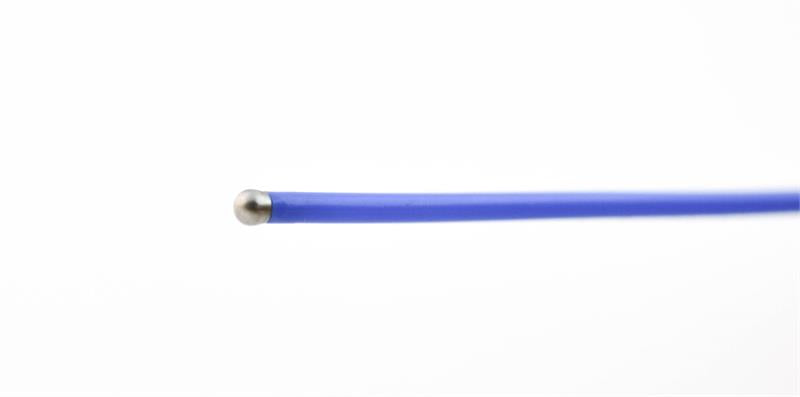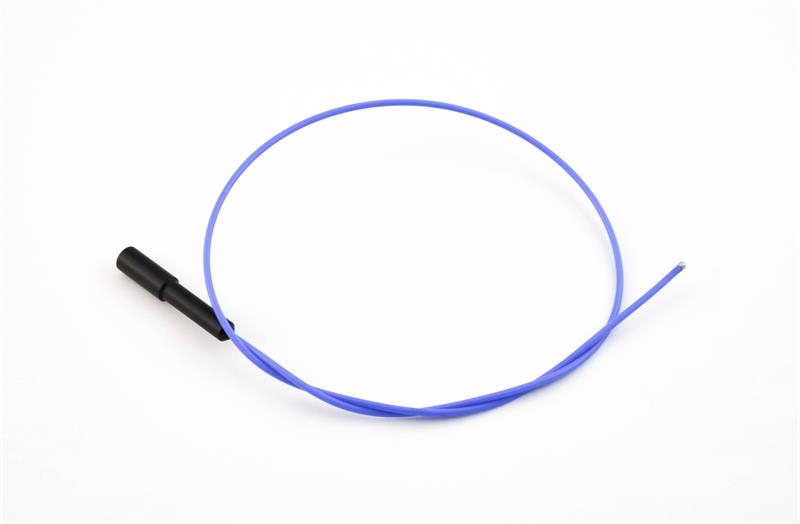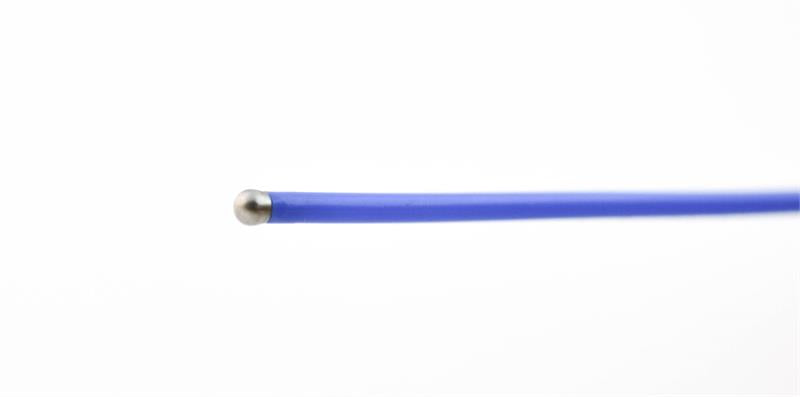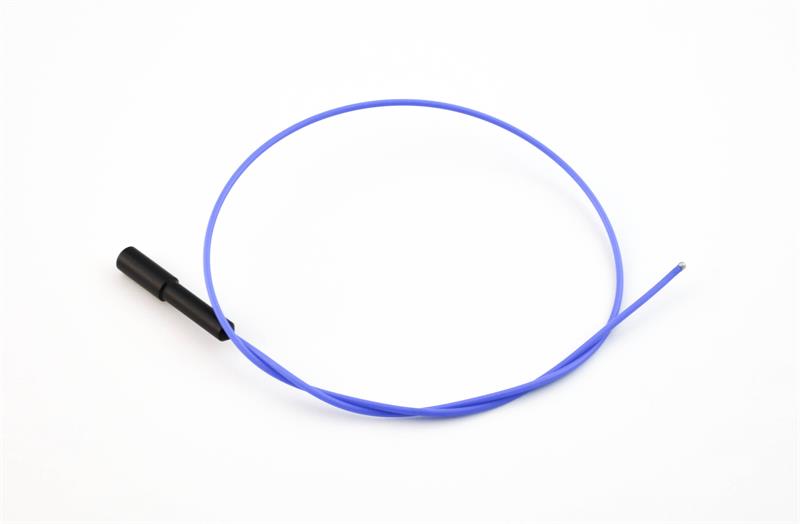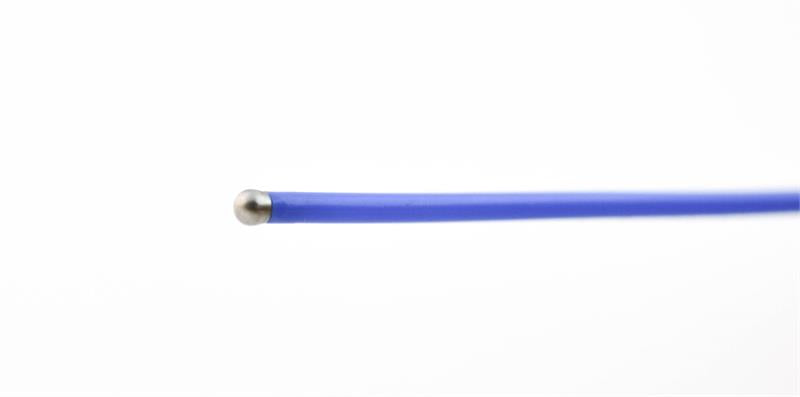
Bugbee Electrode Sizes: 3–9 Fr and 45–98 cm Options
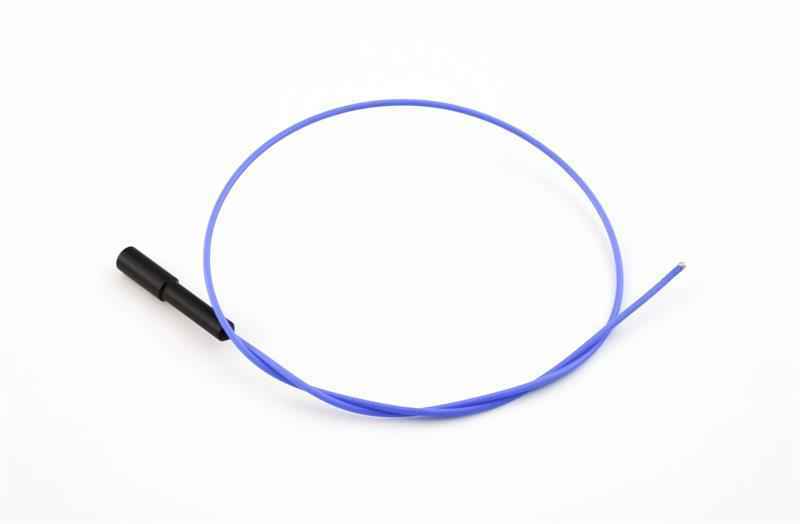
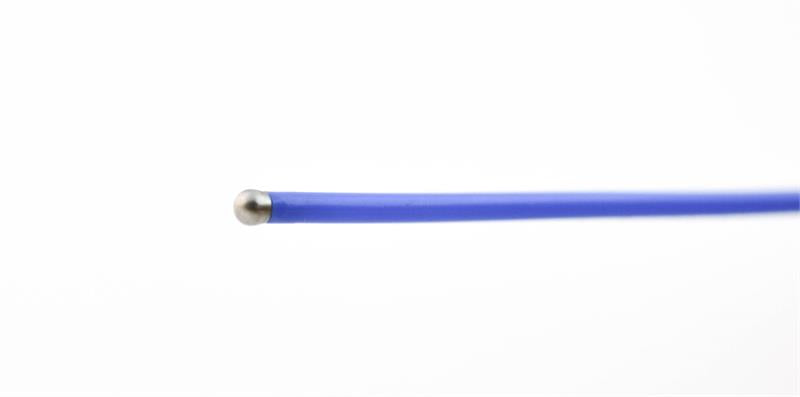
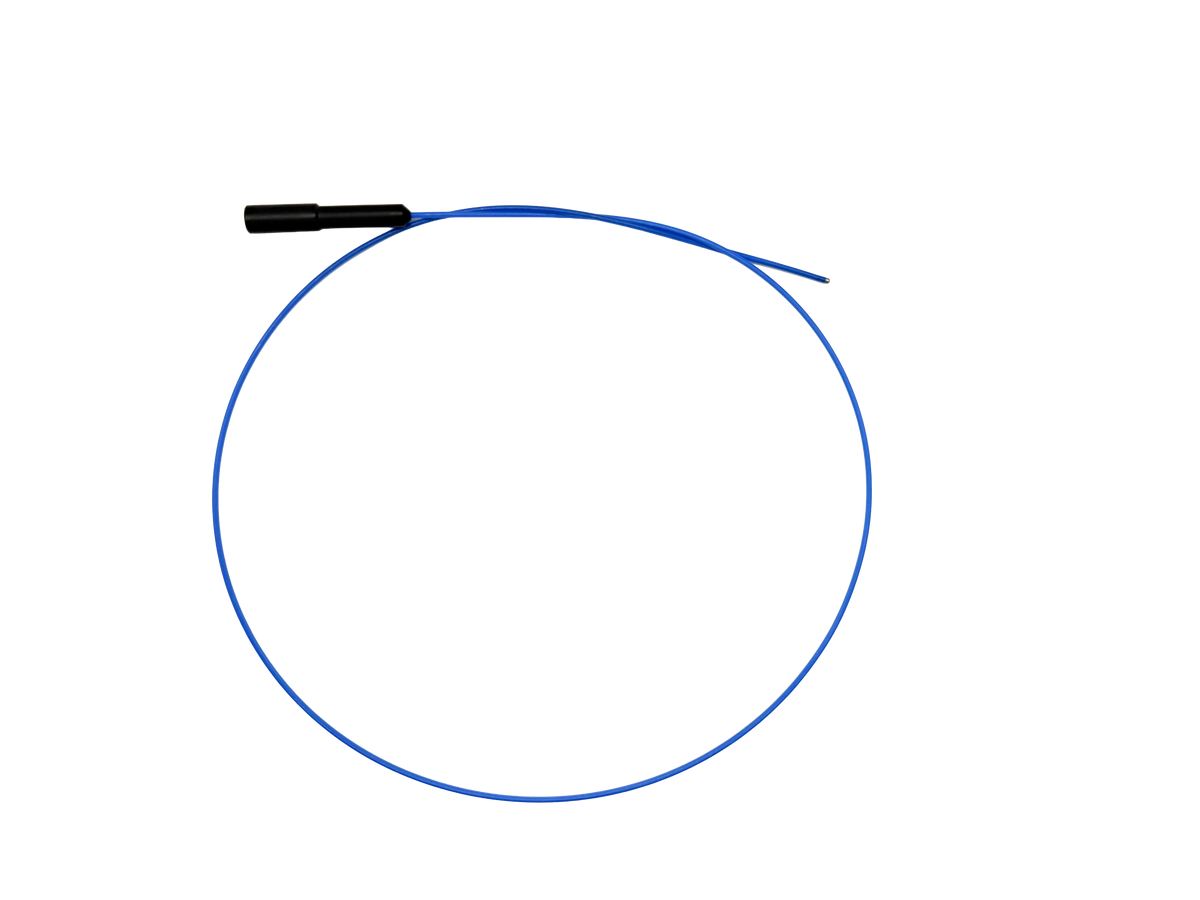
Compare the French diameters and labeled lengths in Minerva’s Bugbee ball-electrode catalog. The listings include selected configurations from 3 to 9 Fr and 45 to 98 cm; not every diameter is offered in every length. Minerva’s Bugbee ball electrodes are reusable and supplied nonsterile, and the table is an ordering reference rather than a clinical compatibility chart.
Ball-electrode model reference
MV-prefixed models appear first. Model names and Minerva ordering SKUs are listed separately where they differ, and each model links to its individual product page. Dimensions are catalog values, not an independent measurement or a stock guarantee.
| Model / product page | Ordering SKU | Diameter | Labeled length |
|---|---|---|---|
| MV-27770B | MV-27770B | 5 Fr | 45 cm |
| MV-27770AA-53 | MV-27770AA-53 | 3 Fr | 53 cm |
| MV-27770B-53 | MV-27770B-53 | 5 Fr | 53 cm |
| MV-27770B-L | MV-27770B-L | 5 Fr | 67 cm |
| MV-11770-L | MV-11770-L | 3 Fr | 98 cm |
| 27770AA | 27770AA | 3 Fr | 45 cm |
| 27770A | 27770A | 4 Fr | 45 cm |
| 27770B | 27770B | 5 Fr | 45 cm |
| 27770C | 27770C | 6 Fr | 45 cm |
| 27770D | 27770D | 7 Fr | 45 cm |
| 27770E | 27770E | 9 Fr | 45 cm |
| Storz 27770A | 27770A | 4 Fr | 53 cm |
| Storz 27770B | 27770B-1 | 5 Fr | 53 cm |
| Storz 27770C | 27770C-1 | 6 Fr | 53 cm |
| Storz 27770D | 27770D-1 | 7 Fr | 53 cm |
| 27770AA-L | 27770AA-L | 3 Fr | 67 cm |
| 27770B-L | 27770B-L | 5 Fr | 67 cm |
| 27770D-L | 27770D-L | 7 Fr | 67 cm |
Needle electrodes are a separate product type
The collection also includes the three needle electrodes below. Their names are retained as needle electrodes; a matching French size does not establish equivalence to a ball-tip product. Confirm the exact model’s labeling and supplied condition rather than applying the ball-electrode description to every item in the collection.
| Model / product page | Ordering SKU | Diameter | Labeled length |
|---|---|---|---|
| MV-27772AA-53 | MV-27772AA-53 | 3 Fr | 53 cm |
| MV-27772A-53 | MV-27772A-53 | 5 Fr | 53 cm |
| MV-27772B-53 | MV-27772B-53 | 7 Fr | 53 cm |
Confirm more than size
- Product identity: Retain the full model and ordering SKU, including MV prefixes and length suffixes.
- Scope and channel: Confirm the selected electrode against the exact scope and its working-channel requirements.
- Length terminology: Confirm the manufacturer’s distinction between labeled length and usable working length when needed.
- Electrical connection: Verify the cable, connector, and generator configuration against the relevant instructions.
The Bugbee terminology reference explains the catalog terms. It does not substitute for model-specific manufacturer documentation.
Request a quote from the item page
Open the model link in the table and use that product page’s quote-request option. Include the required quantity and any scope, cable, or generator details that need review. Browse the complete Bugbee collection or use the ordering checklist to prepare the request.
Required reusable cable
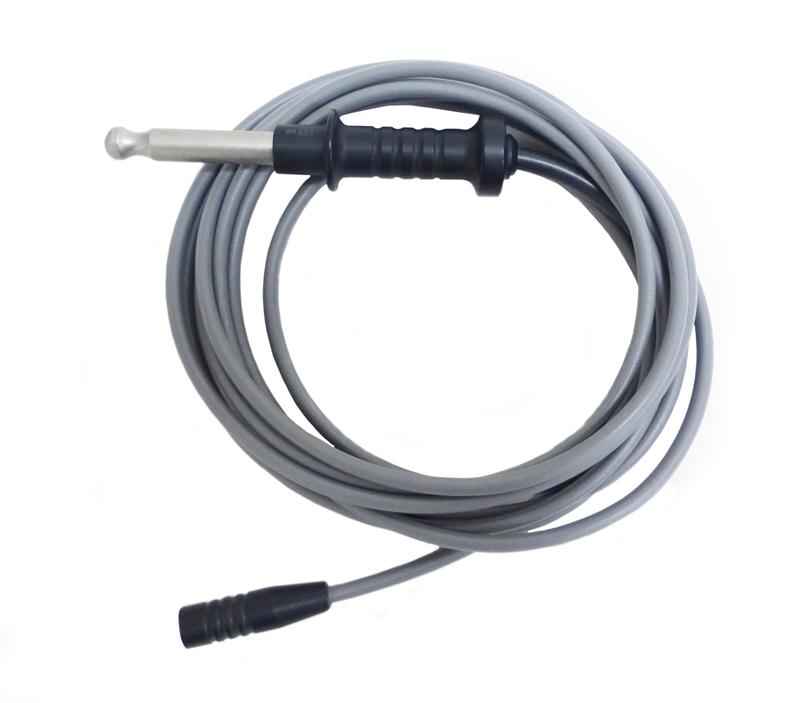
The required reusable cable is the reusable Storz-style Bugbee electrode cable, SKU MV-11-1260UR. Request this cable with the electrode unless the required reusable cable is already available at the facility. Confirm the exact electrode, cable, and generator configuration against the applicable manufacturer instructions before use.
For healthcare professionals. Catalog dimensions do not establish clinical suitability or device compatibility. Follow institutional protocols and the manufacturer’s instructions for use, preparation, cleaning, sterilization, and reuse.