
Blog
Step-by-Step Guide: How to Properly Clean an Endoscope Using a Brush
Cost Comparison: Disposable Endoscope Brushes vs. Traditional Cleaning Methods: Which Is the Smarter Choice for Healthcare Facilities?
Endoscope Brush Sizes Explained: How to Choose the Right Fit for Every Channel (2026 Buyer's Guide)
Best Endoscope Cleaning Brush for Reprocessing in 2026 (Buyer's Guide)
What Is an Endoscope Brush and Why Is It Important in Medical Cleaning?
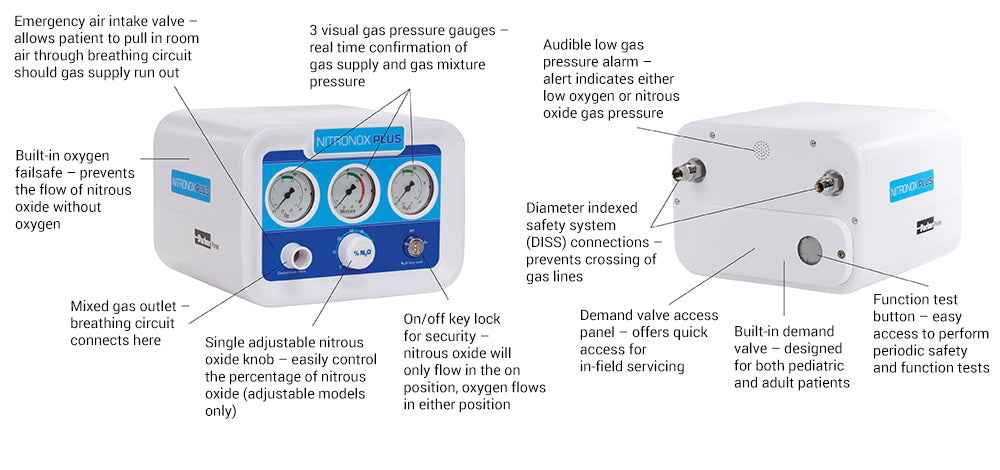
Nitrous Oxide for Office Ureteral Stent Procedures (2026 CPT Guide)
The Doersch office series of 565 stent placements with nitrous oxide reported no anesthetic complications and better outcomes than the OR. This guide covers the evidence, patient selection, workflow, and 2026 CPT 52332, 52310, and 52315 reimbursement.
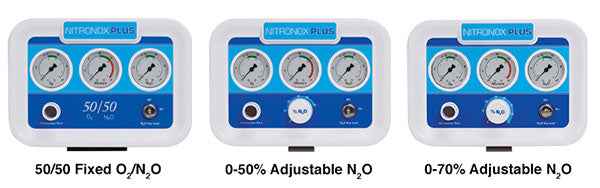
Nitrous Oxide as a Comfort Adjunct for Office Vasectomy
The AUA vasectomy guideline permits anesthesia adjuncts when local ± oral sedation is inadequate. This guide explains where nitrous oxide fits as a cash-pay comfort service, the CPT 55250 reimbursement structure, and how to frame the offering without unsupported efficacy claims.
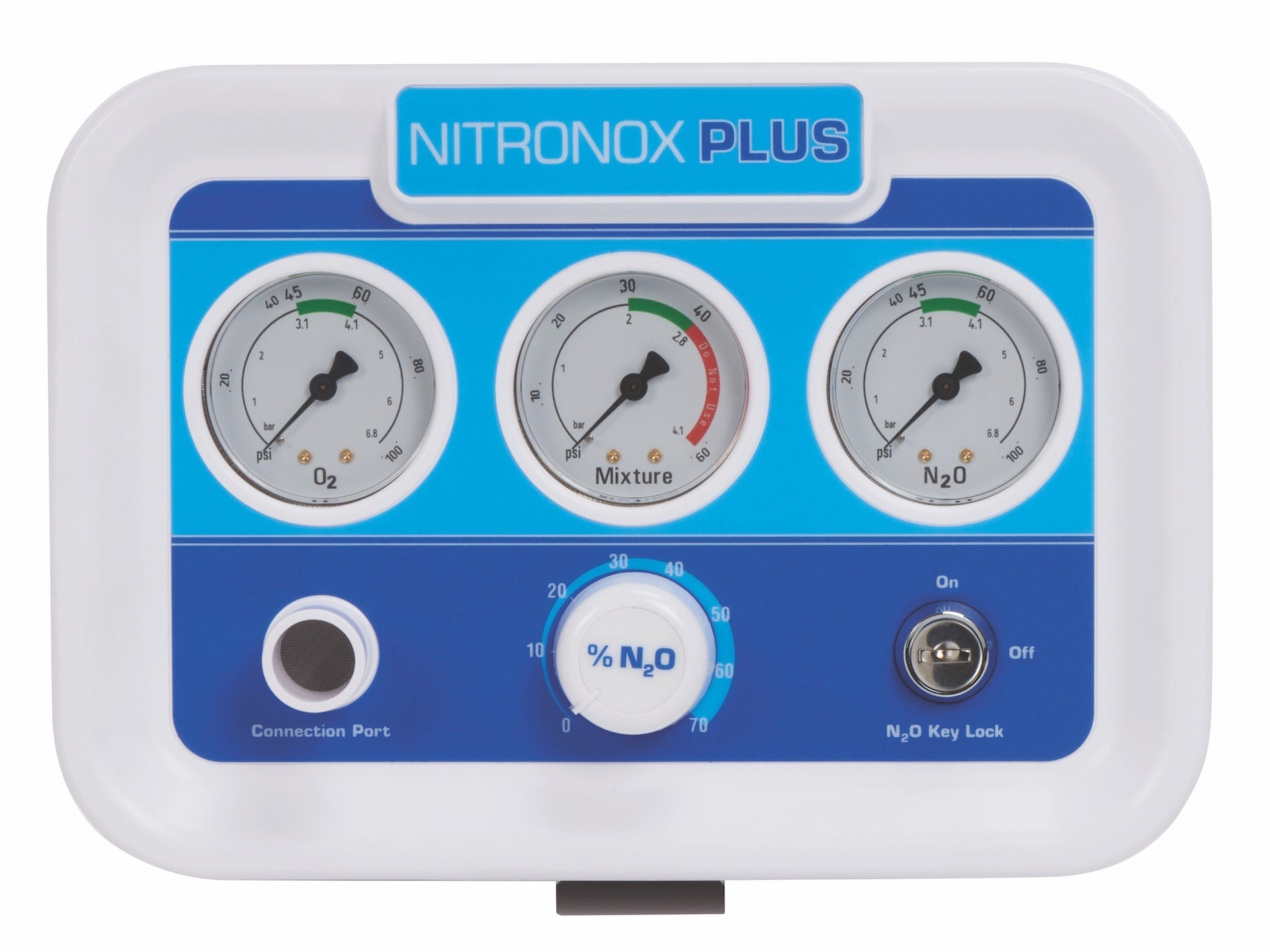
Nitrous Oxide as a Comfort Adjunct for Office BPH Therapies (Rezūm and UroLift)
Rezūm and UroLift are commonly performed in the office under local anesthesia with oral pre-medication. This guide covers where nitrous oxide fits as an optional comfort adjunct, the CPT 53854, 52441, and +52442 reimbursement structure, and how to structure the cash-pay comfort service.