
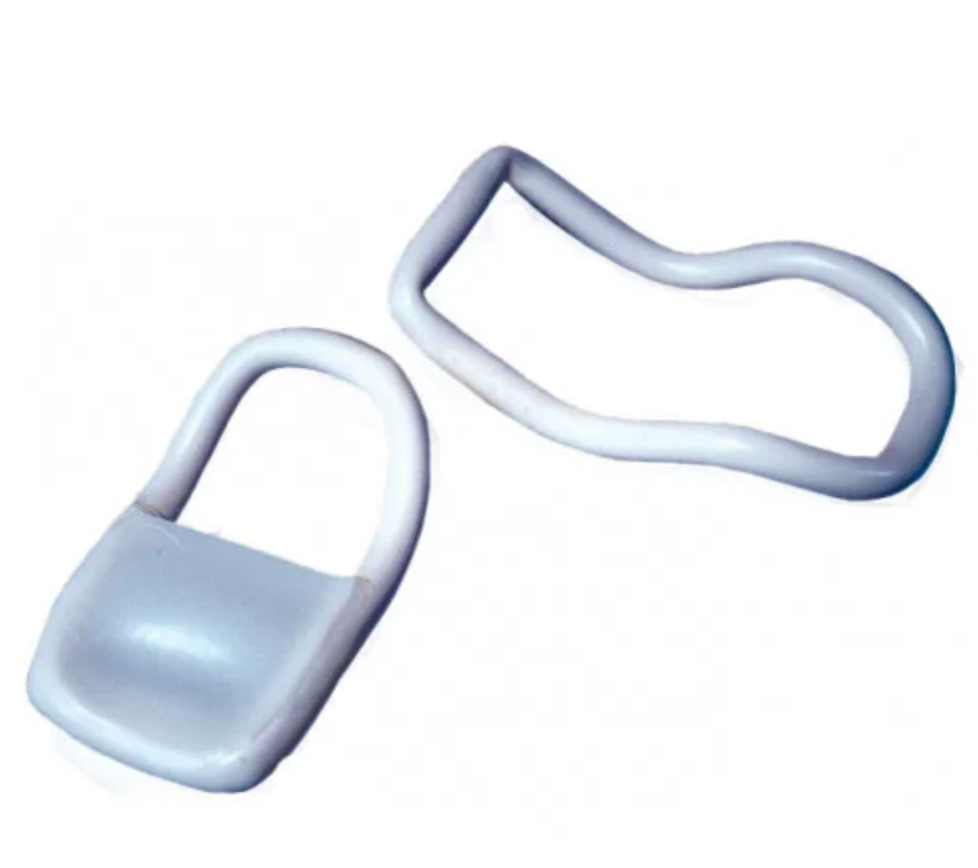
Pessary fitting kits contact vaginal mucosa with every trial fitting — classifying them as semi-critical devices under the Spaulding framework, subject to regulatory minimums that many practices still do not meet. High-level disinfection (HLD) is the floor, not the goal; steam sterilization should be the default wherever an autoclave is available. This is a procedure-level reference for the MA, infection prevention coordinator, or clinic manager responsible for ensuring your reprocessing program holds up under a Joint Commission review or state health inspection.
Why Fitting Kit Reprocessing Matters
Pessary fitting kits are multi-patient devices. A single silicone ring pessary may contact the vaginal mucosa of dozens of patients over its service life. The CDC Guideline for Disinfection and Sterilization in Healthcare Facilities designates any device contacting mucous membranes as semi-critical, requiring at minimum high-level disinfection between each patient use. Under 21 CFR Part 884, reusable pessary fitting kits are Class II medical devices — reprocessing must follow both the manufacturer’s instructions for use (IFU) and applicable infection control guidelines.
Spaulding Classification and Minimum Requirements
Understanding where each fitting room component falls in the Spaulding classification determines the minimum reprocessing level your practice must meet.
| Device | Spaulding Category | Minimum Standard | Preferred Standard |
|---|---|---|---|
| Silicone fitting pessary (trial use) | Semi-critical | High-level disinfection | Steam sterilization |
| Pessary Assistant (contacts mucosa) | Semi-critical | High-level disinfection | Chemical sterilization per IFU |
| Fitting tray / storage container | Non-critical | Low-level disinfection | — |
Silicone fitting pessaries should be steam-sterilized between patients whenever an autoclave is available — high-level disinfection is the regulatory floor, not the clinical goal.
Steam Autoclave Protocol for Silicone Fitting Kits
Silicone pessaries are generally autoclavable. Confirm compatibility against your specific kit’s manufacturer IFU before establishing cycle parameters — always verify with the IFU for your specific pessary fitting set.
Pre-cleaning (mandatory before every cycle): Wash with an enzymatic detergent and soft brush; rinse thoroughly; dry; inspect for cracking, pitting, or discoloration — retire immediately if any defect is found.
Cycle parameters:
- Gravity displacement: 121°C (250°F) for 15 minutes at 15 psi
- Pre-vacuum cycle: 132–135°C for 3–4 minutes (confirm device tolerance per IFU)
- Package each pessary in a single-use sterilization pouch with internal and external chemical indicator strips
Biological indicator (BI) monitoring: Per CDC guidance, steam sterilizers should be monitored at least weekly using Geobacillus stearothermophilus spore preparations. For practices running multiple loads per day, daily BI testing is recommended. Also required: upon sterilizer installation, relocation, major repair, or after any sterilization failure. Log every BI result with cycle date and operator initials. Store sterilized pouches in a limited-access area per event-related shelf-life principles — inspect packaging before every patient encounter.
Chemical High-Level Disinfection Protocol
Use HLD when an autoclave is unavailable or when the manufacturer IFU specifies chemical disinfection for a specific device (e.g., Pessary Assistant per manufacturer guidance).
Approved HLD agents:
- Cidex OPA (ortho-phthalaldehyde, 0.55%): 12-minute contact time at 20°C; lower vapor pressure than glutaraldehyde; preferred for clinic settings
- Cidex (activated glutaraldehyde, 2.4%): 20-minute contact time at 20°C; requires ventilation and full PPE
- Virex TP: referenced in the Pessary Assistant manufacturer IFU as an acceptable disinfectant for that device; confirm compatibility for other kit components
Step-by-step procedure:
- Pre-clean with enzymatic detergent; rinse; dry
- Fully immerse in HLD solution with no air pockets; begin timer only after confirming solution temperature
- Maintain minimum contact time per agent IFU
- Remove with sterile gloves or forceps; rinse thoroughly with sterile or tap water per agent IFU
- Dry and use immediately or store in a covered sterile container
Test solution concentration daily with compatible indicator strips; discard at the manufacturer-specified end-of-use life or when strips indicate sub-effective concentration. Never top off a depleted container — discard and start a new batch.
Kit Lifespan and Retirement Criteria
Most silicone pessary IFUs do not set a fixed reprocessing-cycle limit, making visual inspection before every patient encounter the primary retirement trigger. Retire a fitting kit pessary immediately upon any of the following:
- Visible cracking, surface pitting, or crazing
- Discoloration or cloudiness not removed by pre-cleaning (indicates chemical degradation)
- Loss of firmness, deformation, or asymmetry
- Any compromise to ring integrity or damage to drainage holes on Gellhorn or Cube shapes
Review all kit components at least annually; every 6 months for high-volume services. Order replacement units promptly — a kit missing critical sizes limits clinical options at the fitting visit. See the sibling post on building a pessary fitting service for the full supply management workflow.
Documentation and Compliance Log
The Joint Commission requires sterilization records to be retained for a minimum of 3 years. A missing or incomplete log is a direct citation risk in an infection prevention audit regardless of actual reprocessing quality.
| Date | Kit ID | Method | Operator | Chem. Indicator | Bio. Indicator | Notes |
|---|---|---|---|---|---|---|
| — | — | Autoclave / HLD | — | Pass / Fail | Neg / Pos / N/A | — |
A complete reprocessing log is your first line of defense in an infection prevention audit — missing entries create compliance risk regardless of actual sterilization quality.
Record anomalies (positive BI, cycle abort, device retired) with follow-up action in the Notes field. Review the log monthly for gaps. OSHA requires a posted SOP, labeled chemical containers, and accessible PPE at the reprocessing station. Verify operator competency at hire and annually. The American Urogynecologic Society (AUGS) provides supplemental clinical practice guidance.
Summary Checklist for Reprocessing Compliance
Post at your reprocessing station as a daily operational reference:
- Written SOP posted and accessible to all staff handling fitting kit devices
- Pre-cleaning step performed before every sterilization or HLD cycle
- Sterilization method confirmed against manufacturer IFU for your specific fitting kit model
- Chemical indicator placed inside every sterilization pouch and on the outside of each package
- Biological indicator run at least weekly (daily for high-volume services); results logged
- Reprocessing log entry completed for every cycle
- Kit components visually inspected before each patient encounter
- Worn or damaged pessaries retired and replacement units ordered
- Operator competency verified at hire and documented annually
- HLD solution concentration tested daily; solution discarded at end-of-use life
For the full practice-operations context, see the pessary practice tools guide.
Frequently Asked Questions
Are silicone pessary fitting kits autoclavable?
Most silicone fitting kits tolerate the 121°C/15-minute gravity cycle and the 132–135°C pre-vacuum cycle. Always confirm compatibility in the manufacturer IFU for your specific kit. If steam sterilization is not listed as an approved method, default to Cidex OPA or equivalent HLD agent.
How often should biological indicator testing be performed for a pessary fitting practice?
At least weekly per CDC guidance. Daily testing is recommended when multiple loads are run each day, and is required upon sterilizer installation, after relocation or major repair, and following any sterilization failure. Log every result with cycle date and operator initials.
What are the retirement criteria for a silicone pessary in a fitting kit?
Retire upon any visible cracking, surface pitting, discoloration, loss of firmness, deformation, or damage to ring or drainage hole integrity. Most IFUs do not set a fixed cycle-count limit — visual inspection before every patient use is the primary trigger. High-volume practices should audit kit components every 6 months.
What is the minimum reprocessing standard for a semi-critical device like a vaginal fitting pessary?
High-level disinfection — a process that eliminates all microorganisms except high numbers of bacterial spores. Steam sterilization is the preferred standard when an autoclave is available, as it achieves a higher level of microbial kill. Practices cleaning fitting kits with low-level disinfectants between patients are below the regulatory minimum and should update their protocol immediately.
This article is for informational purposes for healthcare professionals. It does not constitute medical advice or replace clinical judgment. Always follow your institution’s protocols and the manufacturer’s instructions for use.


