
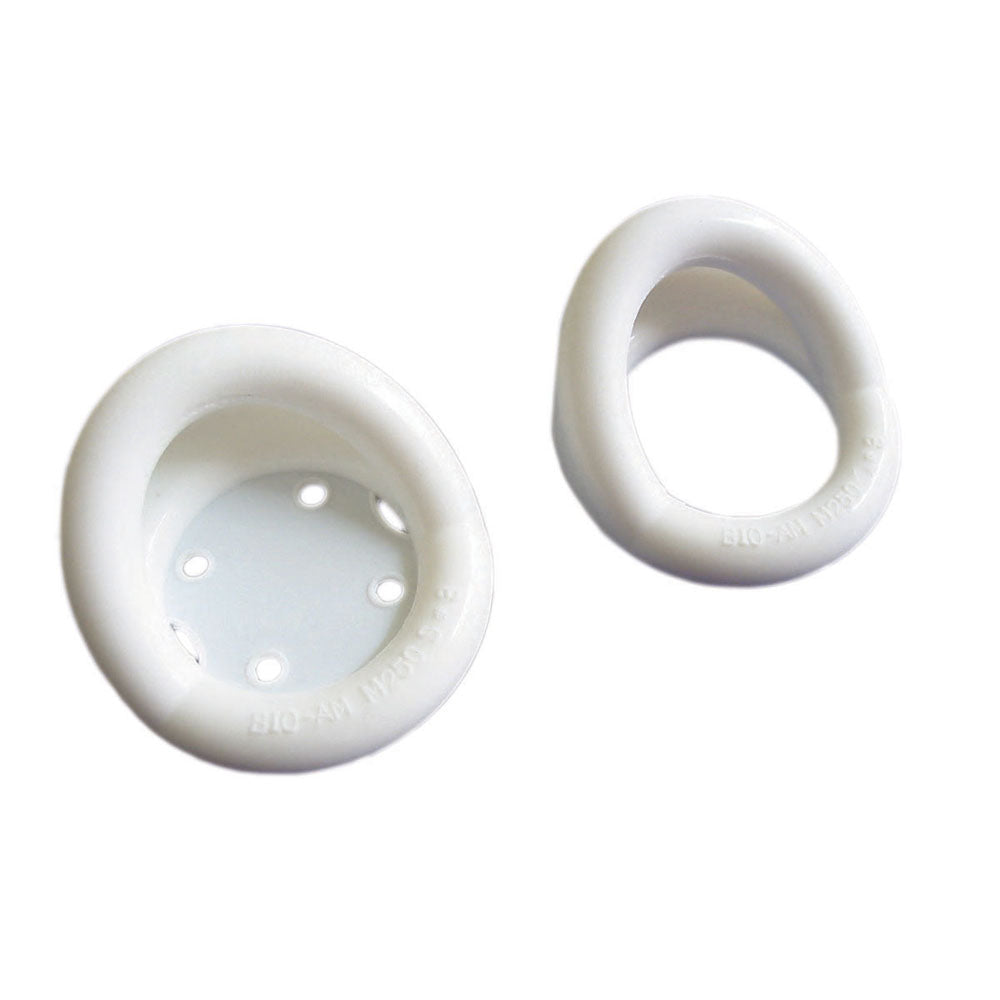
What your patient walks out knowing — and holding in their hands — determines whether they call your office at 10 p.m. because the device “feels strange,” or whether they manage comfortably for months between appointments. Patient education materials reduce after-hours calls, unscheduled visits, and early discontinuation. This guide gives the clinician or clinic administrator a practical framework for what to provide, when to provide it, and how to operationalize it. For a full overview of the pessary fitting visit from room setup through chart closure, see our pessary practice tools and clinic workflow guide.
Why Patient Education Materials Reduce Practice Burden
A 5-year prospective study by Lone et al. found that pessary continuation was closely linked to successful self-management training — patients who learned removal and reinsertion were significantly more likely to still be using their device at one year (Lone et al., Int Urogynecol J). Inadequate education produces three predictable costs: after-hours calls for symptoms a hygiene card would have addressed, unscheduled visits for discomfort that written instructions could have resolved, and attrition from patients who mistook normal sensations for complications.
Pre-assembled patient packets let MAs distribute all materials at discharge without additional clinician time. ACOG guidance on pelvic support problems and the American Urogynecologic Society (AUGS) both identify patient self-care involvement as a component of long-term management success.
The Four Materials Every Fitting Visit Should Produce
Most practices consolidate these into a two-sided laminated card or a brief packet. Format is secondary to covering all four categories at every fitting visit.
- Insertion/Removal Card — Step-by-step written instructions specific to the pessary shape dispensed. Include lubricant guidance (water-based only), hand hygiene steps, and positioning. If the patient is receiving a Pessary Assistant, the card should reference the device and specify whether it is being used for insertion assist, removal assist, or both.
- Hygiene and Care Card — Daily care instructions and a “when to call” section. Advise mild soap rinse; no douching; water-based lubricant only.
- Follow-Up Schedule Card — Return intervals specific to the patient’s management plan, with clinic contact information and a direct scheduling line.
- Red-Flag Warning Card — A dedicated list of symptoms requiring an unscheduled call. Patients retain a card framed as “warning signs” better than a warning list buried in a multi-purpose handout.
For self-management education when providing the Pessary Assistant for at-home ring removal, see the pessary assistant tool clinical guide for fitting-visit demonstration recommendations.
Insertion and Removal Cards — Content and Customization
The removal card is the most shape-specific material your practice produces. Maintain at minimum two versions: ring-family pessaries (where self-removal is expected) and clinician-managed pessaries (Gellhorn, Cube, Donut — where a follow-up schedule replaces the removal card entirely).
For a ring pessary removal card, cover hand hygiene steps, squatting or seated positioning, hook-and-fold or Pessary Assistant technique, water-based lubricant for reinsertion (oil-based products degrade silicone), and whether nightly removal versus continuous wear applies per the clinician’s instruction.
For patients with arthritis or limited dexterity, document clinician-managed removal as the plan and confirm the follow-up interval reflects it. Laminated cards hold up better in bathroom environments. The Brigham and Women’s Hospital pessary instructions page is a useful reference model for appropriate clinical depth.
Hygiene, Care, and Red-Flag Content
Hygiene card essentials: rinse vaginal area with mild soap and water; no douching; water-based lubricant only; gentle soap rinse and air-dry when the pessary is removed at home.
Red-flag symptoms requiring an immediate call (not deferral to the next scheduled visit):
- Vaginal bleeding or spotting outside the normal menstrual pattern
- Unusual vaginal discharge (color change, volume increase, or strong odor)
- New or worsening pelvic pain or pressure
- Difficulty urinating or incomplete bladder emptying
- Sensation that the pessary has moved, is protruding, or cannot be located
A useful framing for patients: a correctly fitting pessary is not felt during normal activity. Awareness of the device — like any discharge, bleeding, or ulceration — always requires clinical reassessment.
Follow-Up Schedule Communication
Return intervals should be individualized per ACOG and AUGS guidance. A practical framework:
- 2–4 weeks post-fitting: Fitting confirmation, erosion check, and self-management skill verification. Essential for all new pessary users.
- 3 months: For patients not performing self-removal, those with risk factors (atrophy, prior erosion, advanced prolapse stage), or limited mobility.
- 6–12 months: For successfully self-managing patients with no complications; specific cadence at clinician discretion.
Schedule the first return before the patient leaves — an appointment on the calendar outperforms an interval on a card.
Providing Materials Efficiently — Templates and Workflow
The most practical model is a pre-assembled fitting visit packet prepared by the MA before rooming, with all four materials organized by pessary category. Printed handouts offer the most flexibility; laminated cards hold up better for removal cards handled repeatedly at home. Patient portal post-visit messages and EHR after-visit summary macros can reinforce written materials without adding to the chair time.
For practices providing the Pessary Assistant: pair the device with a quick-reference card or QR code linking to the manufacturer’s instructional materials. Patients who leave with a device and no reference point use it less reliably at home.
Minerva can supply branded patient education templates — insertion/removal and hygiene cards adapted for Minerva pessary shapes — on request. Visit Minerva’s pessary catalog or contact us to ask about practice support resources.
What to teach verbally at the fitting visit (written materials reinforce; the conversation is the primary education intervention):
- Demonstrate insertion and removal with the fitted shape before the patient leaves the table
- Confirm the patient can perform self-removal, or document clinician-managed removal as the plan
- Name red-flag symptoms out loud and confirm the patient understands which require a call
- Confirm the follow-up date before discharge, not just the interval
Materials by Pessary Category — Quick Reference
Patients with space-filling pessaries are typically clinician-managed and should not receive a self-removal card. Providing one creates ambiguity and can lead to unsafe removal attempts.
| Pessary Category | Shapes | Self-Removal Possible? | Give Removal Card? | Key Education Emphasis |
|---|---|---|---|---|
| Support — ring family | Ring, Ring with Support, Ring with Knob | Yes — especially with Pessary Assistant | Yes | Insertion technique, nightly removal option, water-based lubricant |
| Support — other | Dish, Hodge, Gehrung | Usually yes | Yes | Shape-specific technique; confirm patient demonstrates before discharge |
| Space-filling | Gellhorn, Cube, Donut | Generally no | No | Clinician removal only; follow-up schedule and red-flag card |
| Incontinence | Ring with Knob, Dish with Knob | Yes | Yes | SUI symptom monitoring; confirm knob position is providing expected benefit |
Patients using space-filling pessaries (Gellhorn, Cube, Donut) should receive a follow-up schedule card and red-flag card only — not a self-removal card — because clinician-managed removal is the clinical standard for these shapes.
Frequently Asked Questions
What are the four patient education materials every pessary fitting visit should include?
An insertion/removal card (shape-specific), a hygiene and care card, a follow-up schedule card with clinic contact information, and a red-flag warning card. These can be combined into a laminated two-sided card or a pre-assembled packet. All four categories should be covered before the patient leaves.
Should Gellhorn pessary users receive a self-removal instruction card?
No. The Gellhorn requires clinician-managed removal as standard of care. Provide a follow-up schedule card and red-flag card only, and document the clinician-managed plan in the chart.
How often should patients receive updated pessary education materials?
Provide a full packet at the initial fitting. Replace materials at follow-up visits as needed, and issue a new shape-specific removal card any time the pessary type changes.
What symptoms should patients report immediately after pessary fitting?
Vaginal bleeding or spotting; unusual discharge (color, odor, or volume change); new pelvic pain or pressure; difficulty urinating; or any sensation that the pessary has moved or cannot be located. A correctly fitting pessary is not felt during normal activity — awareness of the device is a reason to check in.
Can Minerva supply branded patient education templates for my practice?
Yes. Minerva can provide branded insertion/removal and hygiene care cards adapted for Minerva pessary shapes on request. Visit Minerva’s pessary catalog or contact us to ask about practice support resources alongside device orders.
This article is for informational purposes for healthcare professionals. It does not constitute medical advice or replace clinical judgment. Always follow your institution’s protocols and the manufacturer’s instructions for use.


