
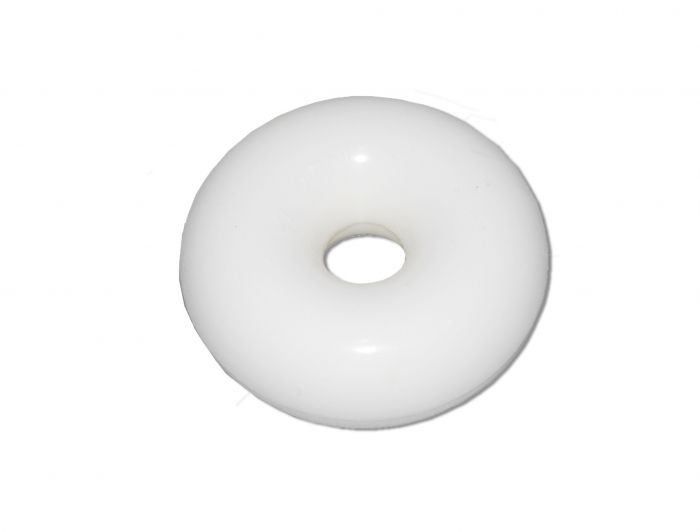
Pessary services generate predictable, recurring revenue while addressing one of the most prevalent chronic conditions in women’s health — yet many gynecology and urogynecology practices treat them as an afterthought. A well-run fitting service requires the right kit assortment, trained staff, a defensible reprocessing protocol, and a billing workflow that captures every billable encounter. This guide covers the operational framework your practice needs to build or optimize that service.
In this guide:
- The business case for pessary services in the current practice environment
- How to build and stock a fitting kit assortment
- Room setup, appointment workflow, and MA responsibilities
- Coding and reimbursement fundamentals (CPT 57160, HCPCS A4561/A4562)
- The Pessary Assistant — when and how it fits into clinical workflow
- Reprocessing requirements for silicone fitting kits
- Patient education materials that reduce after-hours calls
- Minerva’s complete fitting kit lineup
Why Pessary Services Are a Growing Practice Priority
Pelvic organ prolapse (POP) is among the most common indications prompting gynecologic evaluation, with lifetime risk of surgical repair estimated at 12–19% depending on the population studied, according to ACOG’s guidance on pelvic support problems. As the U.S. population ages and patient preference increasingly favors conservative management before surgery, demand for office-based pessary services is growing.
The Cochrane review by Bugge et al. confirms pessaries remain a guideline-endorsed conservative option across all POP stages, with patient satisfaction supporting long-term use in many cases (Bugge et al., Cochrane Database 2020).
The business case is concrete. CPT 57160 (fitting and insertion of a pessary) carries zero global days and can be billed on the same date as an E/M visit. Follow-up visits generate recurring E/M revenue every 3–12 months per ACOG and AUGS guidance. Capital investment is low: a core fitting kit assortment, lubricant, and an exam table are sufficient to launch. No dedicated procedure room is typically needed.
Explore Minerva’s pessary fitting sets collection to review the full assortment available for immediate order.
Building Your Fitting Kit Assortment
Shape and size selection cannot be reliably predicted before examination. Vaginal caliber, perineal body support, introital tone, and the nature of the prolapse all influence which pessary a patient will retain comfortably. A practice without multiple kit options will face fitting failures that could have been converted with one additional shape on hand.
Five kit categories cover the majority of clinical scenarios for a practice establishing or expanding a pessary service:
| Fitting Kit | Pessary Category | Primary Indication | Clinical Note |
|---|---|---|---|
| Ring Fitting Set | Support | Mild–moderate POP, cystocele | First-choice for most new fittings; easiest for patient self-management |
| Ring with Knob Fitting Set | Support / Incontinence | POP with concurrent SUI | Knob compresses urethra against symphysis; pair with ring set |
| Gellhorn Fitting Set | Space-filling | Advanced POP, apical prolapse | Higher retention rate in severe prolapse; clinician-managed removal typically required |
| Cube Fitting Set | Space-filling | Advanced POP, post-hysterectomy vault prolapse | Suction-based retention; add for complex patients after Ring and Gellhorn |
| Dish Fitting Set | Support / Incontinence | Mild–moderate POP, SUI | Low-profile option; consider when ring causes discomfort |
A Ring Fitting Set plus Ring with Knob plus Gellhorn assortment covers the majority of first-fitting scenarios in most general gynecology practices. Add Cube and Dish as patient volume grows or case complexity increases.
All Bioteque silicone pessaries in these kits are FDA 510(k)-cleared Class II devices — autoclavable, non-latex, and compatible with standard high-level disinfectants.
Room Setup and Supply Checklist
A pessary fitting room does not require dedicated procedure space, but dedicated supply management matters. Clinics that share supplies across procedure types encounter reprocessing documentation gaps and kit degradation that goes unnoticed. A dedicated “pessary cart” or labeled supply tray creates accountability and simplifies MA replenishment cycles.
Minimum room requirements:
- Exam table with stirrups or adjustable positioning
- Adequate procedure lighting (dedicated procedure light preferred over overhead only)
- 3–5 fitting kit shapes stocked and reprocessed (minimum: Ring, Gellhorn, and one incontinence option)
- Water-based lubricant (non-oil-based to preserve silicone integrity)
- Sterile gloves in multiple sizes
- Pessary Assistant tool for patient self-management training and MA-assisted removal
- Patient education packets (see H2 8 below)
- Reprocessing log binder or electronic equivalent at or near the sterilization station
- Biohazard disposal container for used gloves and single-use items
MA-managed replenishment: assign a weekly review of kit components. Flag any pessary showing cracking, discoloration, surface pitting, or loss of firmness for immediate retirement and replacement. Document each retirement in the reprocessing log — this creates a defensible audit trail for Joint Commission review.
The Fitting Appointment — Workflow from Check-In to Chart Closure
A structured fitting workflow reduces incomplete documentation, missed billing opportunities, and follow-up failures. Four stages: pre-visit preparation, the fitting examination, post-fitting retention assessment, and chart closure with follow-up scheduling.
Pre-visit preparation
- Confirm indication: POP stage if previously documented (POP-Q), SUI history, mixed incontinence
- Review prior pessary history: shape used, size, reason for discontinuation or refitting request
- Screen for latex allergy: document in the chart; all Bioteque silicone kits are latex-free, but confirm before fitting
- Note estrogen status: atrophic vaginitis significantly affects pessary retention and mucosal tolerance; topical estrogen pre-treatment may be appropriate for post-menopausal patients
Fitting sequence
Begin with the Ring or Ring with Support pessary — the most forgiving support shape for vaginal anatomy that falls within typical caliber and depth. If the patient cannot retain the ring with Valsalva or ambulation, advance to a space-filling shape (Gellhorn or Cube). The fitting sequence should be documented as a clinical decision, not just the final shape selected.
Post-fitting assessment
After insertion, have the patient ambulate in the hallway or examination area and perform a cough-stress test. Confirm that the pessary is retained and that the patient reports no significant discomfort. An optimal fit is one the patient does not feel during normal activity. Document shape, size, retention outcome, and patient tolerance.
Chart closure and follow-up scheduling
Initial fitting appointments typically require 20–30 minutes; follow-up cleaning and reinsertion visits, 10–15 minutes. Schedule the first follow-up within 2–4 weeks to confirm retention and inspect for erosion. Ongoing maintenance follows a 3–12 month interval per ACOG guidance on pelvic support problems and AUGS practice recommendations, adjusted for each patient’s self-management status and risk profile. Patients with atrophic vaginitis, advanced age, or a history of erosion should be scheduled at the shorter end of that interval.
For practices offering patient self-management: the Pessary Assistant removal aid can be introduced at the initial fitting to train ring-family pessary users in self-insertion and removal. Patients who successfully demonstrate competency at the first follow-up may shift to a 6–12 month maintenance schedule, which has meaningful scheduling and revenue implications for your practice. See the pessary assistant tool clinical guide for full technique and training protocol.
Coding and Reimbursement Overview
A pessary fitting service generates billing across two distinct claim pathways, and understanding the structure prevents revenue leakage at both levels.
CPT 57160 — Fitting and insertion of a pessary
CPT 57160 applies to the initial fitting and any subsequent refitting involving a shape or size change. It carries zero global days and can be billed on the same date as an E/M service. Attach modifier 25 to the E/M code when billing both on the same date to indicate a separately identifiable service. CPT 57160 does not apply to routine cleaning and reinsertion at a maintenance visit — that encounter is captured with an E/M code.
HCPCS supply codes — A4561 and A4562
The pessary device itself is billed to the patient’s DME MAC (Durable Medical Equipment Medicare Administrative Contractor) using HCPCS codes: A4561 for rubber pessaries, A4562 for non-rubber (silicone) pessaries. Because Bioteque and Milex pessaries are silicone, A4562 is the applicable code for most practice encounters. These claims use a place of service of HOME, not the office. Practices must hold a PTAN (supplier number) from their DME MAC to bill supply codes directly; alternatively, the pessary may be prescribed and the patient directed to a DME supplier.
E/M codes for follow-up visits
Follow-up cleaning and reinsertion without a new fitting are billed using the appropriate established patient E/M code (99211–99215) based on medical decision-making complexity. A stable patient receiving routine reinsertion by an MA under physician supervision may warrant 99211; a physician visit that includes examination, management decisions (e.g., size adjustment, topical estrogen assessment, complication evaluation), or a new clinical finding would warrant a higher-level code.
For current Medicare reimbursement rates, use the CMS Physician Fee Schedule lookup tool. Rates vary by geographic locality and change annually with the Medicare PFS Final Rule; do not rely on published figures from prior years. For a complete coding reference including ICD-10 diagnosis codes, modifier guidance, and private payer considerations, see the pessary CPT coding and reimbursement guide.
Pessary Removal Aids — The Pessary Assistant
The Pessary Assistant is a dual-function device designed by OB/GYN Christopher Radpour, MD, for use with ring-family pessaries. One end provides an insertion assist (an inverted-U channel that holds the pessary folded for low-dexterity insertion), while the other end provides a C-shaped hook for removal by applying mechanical leverage behind the rim of a retained ring pessary. The device is made from medical-grade FDA-approved plastic and is compatible with standard reprocessing protocols.
Compatible pessary shapes: Ring, Ring with Support, Ring with Knob, Incontinence Ring, and Oval. The Pessary Assistant is not compatible with space-filling pessaries (Gellhorn, Cube, Donut, Shaatz) — these require manual removal technique or clinician-managed visits. Document compatibility in the patient chart to avoid confusion at follow-up.
The clinical case for stocking the Pessary Assistant rests on two scenarios:
- Patient self-management: Patients with arthritis, limited hand dexterity, post-surgical hand weakness, or a self-management goal benefit substantially from the device. Successfully training a patient in self-insertion and removal at the initial fitting can convert a 3-month follow-up schedule to a 6–12 month interval — a material reduction in appointment burden for both the patient and the practice.
- MA-assisted removal at follow-up: The hook side simplifies removal during routine maintenance visits, reducing the physical demands on the clinical staff member performing reinsertion and improving patient comfort during the procedure.
Any patient who reports difficulty self-removing, increased vaginal discharge, odor, bleeding, or discomfort should be scheduled for clinical reassessment regardless of the planned follow-up interval. Self-management does not change the escalation threshold — it changes the maintenance schedule for asymptomatic, stable patients.
Fitting Kit Reprocessing and Infection Prevention
Pessary fitting kits are semi-critical devices under the Spaulding classification framework — they contact vaginal mucosa and require at minimum high-level disinfection (HLD) between patients, with steam sterilization preferred when operationally feasible. This is not an area where workflow shortcuts are acceptable. The CDC Guideline for Disinfection and Sterilization in Healthcare Facilities is the regulatory baseline; Bioteque and Milex pessaries are also subject to FDA general controls as Class II medical devices under 21 CFR Part 884 (gynecological devices).
Autoclave protocol for silicone fitting kits
- Pre-clean with enzymatic detergent and rinse thoroughly before any sterilization cycle — no sterilization method is effective on visibly soiled instruments
- Standard gravity cycle: 121°C for 15 minutes; pre-vacuum cycle: 132–135°C for 3–4 minutes
- Package in single-use sterilization pouches with chemical indicator strips
- Run biological indicators (Geobacillus stearothermophilus spores) weekly at minimum; daily for high-volume practices
- Log: date, cycle type, operator initials, biological indicator result, kit ID
Chemical high-level disinfection protocol
When an autoclave is not available, or for the Pessary Assistant (where the manufacturer specifies chemical HLD as a preferred method), use a glutaraldehyde solution (Cidex) or OPA (Cidex OPA). Virex TP is listed by the Pessary Assistant manufacturer as acceptable. Contact time for glutaraldehyde HLD at 20°C is a minimum of 20 minutes; OPA requires 12 minutes at 20°C per standard protocols. Test chemical solution strength daily with indicator strips and discard at the manufacturer-specified end-of-use-life.
Kit retirement criteria
Retire any pessary from the fitting kit that shows cracking, surface pitting, discoloration, loss of firmness, or deformation. There is no fixed number-of-reprocessing-cycles limit in most manufacturer IFUs for silicone devices, but visual inspection before every patient encounter is required. Replace retired units to maintain kit size range coverage. For the complete reprocessing protocol reference, see the pessary fitting kit reprocessing protocol.
Patient Education Materials — What Every Pessary Patient Needs
Inadequate discharge education is one of the most consistent drivers of after-hours calls, premature pessary discontinuation, and avoidable urgent visits. Providing your patients with clear, shape-specific written materials at the fitting visit is an efficiency investment, not an administrative burden.
Four categories of materials should accompany every pessary fitting discharge:
- Insertion and removal card — shape-specific written steps; include water-based lubricant instruction and hand hygiene reminder. Distribute only to patients whose pessary shape supports self-management (ring-family); patients fitted with space-filling shapes (Gellhorn, Cube) should receive a follow-up schedule card, not a self-removal card.
- Hygiene and care card — daily or weekly care instructions per self-management status; what to report immediately (discharge, odor, bleeding, pain, difficulty voiding)
- Follow-up schedule card — initial 2–4 week visit, then 3–12 months depending on self-management status and risk profile
- Red-flag warning card — explicit list of symptoms requiring same-day or next-day call regardless of scheduled follow-up: unusual discharge, vaginal bleeding, pelvic pain that is new or worsening, difficulty urinating, sensation that the pessary has moved or is no longer in place
Practices that pre-assemble a “pessary fitting visit packet” — a pre-collated set of the four materials organized by pessary category — allow MAs to distribute correctly at discharge without requiring additional clinician time at each visit. For detailed guidance on templates, customization by pessary shape, and workflow integration, see the pessary patient education materials cluster post.
Minerva’s Fitting Kit Lineup — What’s In Stock
Minerva stocks one of the broadest single-distributor pessary fitting kit assortments available in the direct-to-clinician e-commerce space. All kits contain Bioteque or Milex silicone pessaries — FDA 510(k)-cleared, autoclavable, and latex-free. Orders ship same day for most SKUs.
| Fitting Kit | Shape | Pessary Category | Primary Indication |
|---|---|---|---|
| Ring Fitting Set | Ring | Support | Mild–moderate POP, cystocele |
| Ring with Knob Fitting Set | Ring with Knob | Support / Incontinence | POP with concurrent SUI |
| Ring with Support Fitting Set | Ring with Support | Support | POP with anterior wall support need |
| Cube Fitting Set | Cube | Space-filling | Advanced POP, vault prolapse |
| Cup Fitting Set | Cup | Support | Moderate POP with broad vaginal support |
| Dish Fitting Set | Dish | Support / Incontinence | Mild–moderate POP, SUI |
| Gellhorn Fitting Set | Gellhorn | Space-filling | Advanced and apical POP |
| Marland Fitting Set | Mar-Land | Support | Moderate POP with anterior support |
| Oval Fitting Set | Oval | Support | Mild POP; alternative to ring for narrow introitus |
| FlexiShelf Fitting Set (sizes 6–12) | Multiple | Support / Space-filling | Advanced POP; only kit covering large/advanced-prolapse sizing in one set |
The FlexiShelf Fitting Set (sizes 6–12) is the only kit in this lineup covering the large-sizing range required for advanced-stage prolapse in a single set — particularly valuable for high-volume services and urogynecology practices managing complex or recurrent prolapse presentations.
Browse Minerva’s complete pessary fitting sets collection to configure your practice’s assortment. For guidance on which kits to prioritize when starting a new service, see the building a pessary fitting service in your clinic cluster post.
Frequently Asked Questions
What is the minimum fitting kit assortment to start a pessary service?
For most general gynecology and urogynecology practices launching a pessary service, three kits cover the core clinical range: a Ring Fitting Set (support POP, easiest for patient self-management), a Ring with Knob Fitting Set (POP with concurrent SUI), and a Gellhorn Fitting Set (advanced or apical POP where ring shapes fail to retain). Practices that see a higher volume of complex or advanced-stage patients may want to add a Cube Fitting Set early. A service built on only one shape will encounter fitting failures that require a second appointment, reducing efficiency and potentially patient satisfaction.
Can CPT 57160 be billed on the same day as a preventive exam?
CPT 57160 carries zero global days and can be billed on the same date as an evaluation and management service, including a preventive exam. When billing a Medicare patient, CPT 57160 may also be co-billed with G0101 (routine screening pelvic exam) when the patient is eligible for the annual screening on the same date. Attach modifier 25 to the E/M code when billing both a procedure and an E/M on the same date to indicate a separately identifiable, medically necessary service. Verify modifier and bundling requirements with your certified professional coder, as payer-specific rules vary. For current Medicare reimbursement rates, use the CMS Physician Fee Schedule lookup.
How often should fitting kits be reprocessed between patients?
Pessary fitting kits must be reprocessed between every patient use — there is no exception. Under the Spaulding classification, these are semi-critical devices that contact vaginal mucosa, requiring at minimum high-level disinfection and ideally steam sterilization for silicone kits with autoclave access. The reprocessing event should be logged with the date, method, operator, and chemical or biological indicator result. Skipping reprocessing or allowing reprocessing documentation to lapse creates infection prevention and compliance risk regardless of how clean the device appears visually.
When does a patient need the Pessary Assistant versus standard self-removal?
The Pessary Assistant is most useful for patients fitting two profiles: those with a dexterity limitation (arthritis, post-surgical hand weakness, neurologic condition affecting fine motor function) and those with a self-management goal who find finger-only technique difficult to learn or execute consistently. For patients without dexterity limitations who tolerate standard insertion and removal without difficulty, the Pessary Assistant is optional — it may still be offered as a convenience tool. The device is not appropriate for patients using space-filling pessaries (Gellhorn, Cube, Donut, Shaatz), who are typically managed by clinician-only removal at follow-up visits. Always document pessary compatibility and self-management status in the patient’s chart.
This article is for informational purposes for healthcare professionals. It does not constitute medical advice or replace clinical judgment. Always follow your institution’s protocols and the manufacturer’s instructions for use.